
REVIEW · OSAKA
Osaka: 2-Hour Nightlife District Walking & Local Food Culture
Osaka’s food culture makes the most sense on foot, one small stop at a time. This two-hour walk links the famous Dotonbori Glico sign with Hozenji Temple, Doguyasuji kitchen street, and Kuromon Market, giving you both the bright Namba nightlife scene and the quieter corners behind it.
I like the tour’s mix of street food guidance and local history, and I like that the guide helps you handle Kuromon Market rather than leaving you to guess what to order. Guides such as Kaz, Nako, and Sayaka have led this experience, with Sayaka also tailoring stops to interests such as sake and pachinko.
The main catch is that food is not included. You pay vendors directly, and the group does not sit down for a full meal, so this works best as a guided tasting walk rather than dinner.
Key points to know before you book
- Dotonbori begins the evening with Osaka’s famous food-and-neon scene, including the Glico sign and street-food options.
- Hozenji Temple offers a quiet pause just minutes from the crowded entertainment streets.
- Doguyasuji is a practical stop, especially if you enjoy cooking, Japanese tableware, or professional kitchen tools.
- Kuromon Market is easier with a guide, since the food stalls and seafood displays can feel confusing on a first visit.
- Takoyaki and gyoza are possible tastes, but all food and drinks cost extra.
- The small-group format can include up to 15 people, with the walk returning to its starting point.
Why this two-hour Namba walk works
Namba can feel like several Osaka neighborhoods packed into one busy area. Dotonbori brings bright signs, restaurants, and crowds. A few turns away, Hozenji offers a small temple lane. Then Doguyasuji shifts the mood again, with shops selling the tools used by cooks across Japan. Kuromon Market adds seafood, fruit, meat, and ready-to-eat food.
This tour gives you a clear route through that mix. You are not just checking off famous sights. You are seeing how food shapes daily life in central Osaka, from the knives and pans behind restaurant kitchens to the small dishes sold from market counters.
The tour lasts about two hours and ends back at the meeting point. That length is useful on a first day in Osaka, when you want an introduction without giving up an entire afternoon or evening. It also leaves room for a longer meal afterward.
The walk is offered at different times of day, despite its nightlife focus. An evening departure should give you the most atmospheric look at Dotonbori, while a daytime option may make it easier to examine market displays and kitchen shops. Check the available departure time when booking, since the feel of the route will change with the hour.
More two-hour crawls around Japan:
- Amsterdam 2 Hour Small-Group Canal Cruise with Dutch Snacks & Bar
★ 5.0 · 1,058 reviews - Amsterdam 2-Hour Evening Cruise With Live Guide and Bar
★ 5.0 · 134 reviews
Starting near the Don Quijote in Dotonbori
The meeting point is outside Don Quijote Dotonbori Midosuji at 2-chome 5-9 Nishishinsaibashi. This places you close to Dotonbori and the Namba entertainment zone, near public transportation and easy to pair with other plans.
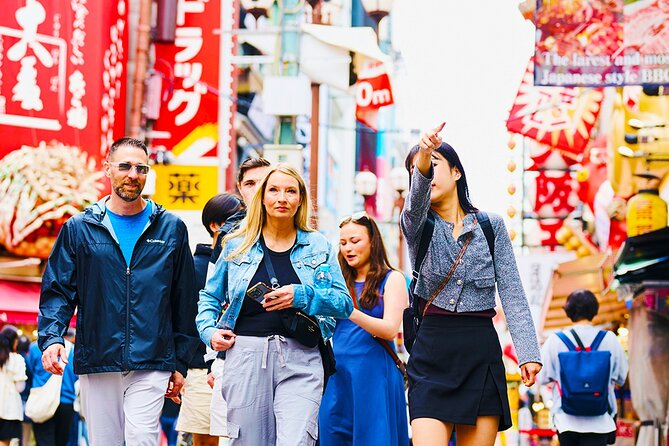
The first stop is the Dotonbori Glico sign, one of Osaka’s best-known photo points. The sign shows a running athlete with arms raised, and the bridge area around it is a natural place to get your bearings in Namba. At night, the signs and crowds create the classic Osaka scene many people expect.
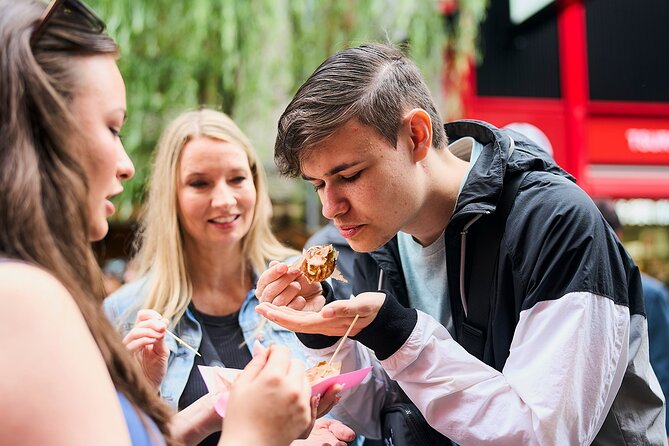
The tour uses this area to introduce street food, including takoyaki and gyoza. Takoyaki are hot batter balls usually associated with Osaka, while gyoza offer a familiar but distinctly Japanese quick bite. Since these purchases are not part of the tour price, bring some yen or a payment method accepted by the vendors.
Do not expect a sit-down meal here. The guide may point out places to try and help explain the local food scene, but the advertised format is a walking tour with food stops, not a restaurant crawl. If you want a full dinner, plan one before or after the walk.
This opening section is best for people who want a quick introduction to Osaka’s food habits. If you already know Dotonbori well, the later stops at Hozenji, Doguyasuji, and Kuromon Market will likely offer more new material.
Hozenji Temple and the moss-covered Fudo Myo-o
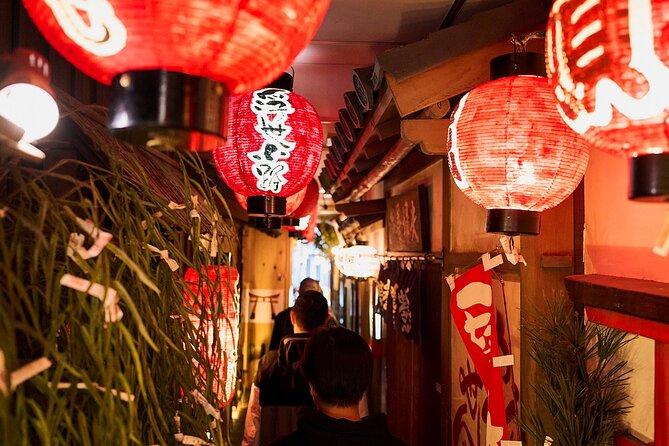
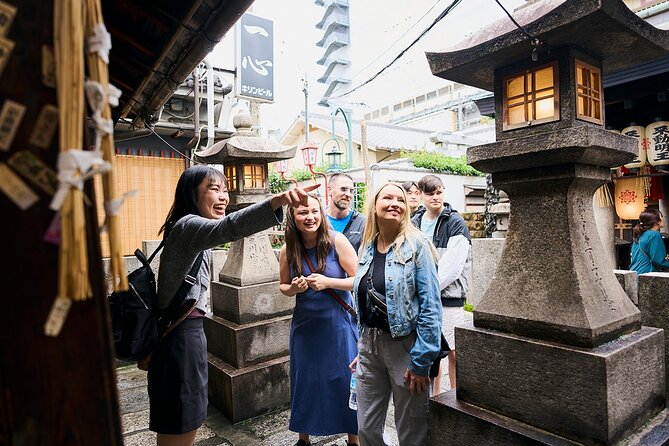
From the neon and noise, the route reaches Hozenji Yokocho, a narrow and atmospheric lane leading to Hozenji Temple. The temple is small, but that is part of its appeal. It feels like a quiet pocket inside a very busy commercial district.
The temple’s best-known feature is the moss-covered statue of Fudo Myo-o. Visitors splash water over the statue while making a wish, which explains the thick green covering. Your guide can provide context and help you understand why such a modest-looking site matters to local worshippers and passersby.
You have about 20 minutes here. That is enough for a look at the temple and a few photos, but not for a long religious-site visit. Be respectful around the statue and remember that this is an active place of worship, not simply a photo stop.
I like this part of the route because it changes the pace. A food walk can easily become a series of counters and purchases. Hozenji gives you a brief reminder that Osaka’s old religious spaces survive right beside its restaurants, arcades, and shopping streets.
If your main goal is grand architecture, Hozenji may feel modest. If you appreciate small places with local meaning, it is one of the more rewarding stops.
Doguyasuji, Osaka’s street of cooking tools
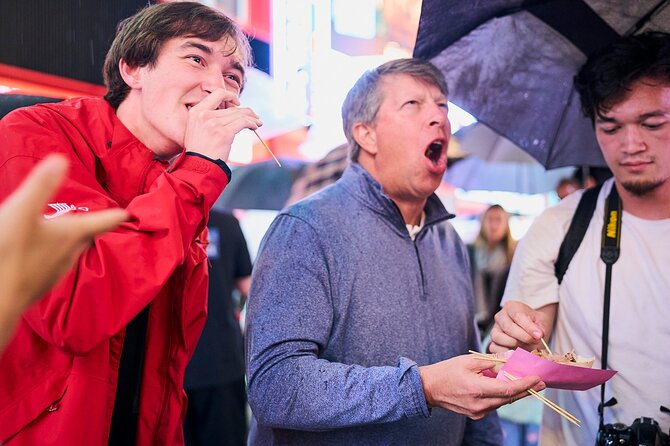
The next stop is Sennichimae Doguyasuji Shopping Street, known for kitchen equipment used by professional cooks. This is not a standard souvenir street. You might find knives, pans, dishes, restaurant supplies, and other tools connected to Japanese food preparation.
The tour allows roughly 20 minutes here, so think of it as an introduction rather than a full shopping session. You can look at the shop windows, ask the guide what different tools are used for, and note places to return to later.
This stop adds useful context to the food you have just seen. Osaka’s restaurant culture depends on the equipment behind the counter, and Doguyasuji lets you see that practical side. It also gives you a chance to buy something lasting instead of another snack, though the tour price does not cover purchases.
If you are interested in Japanese cooking, this may be the most distinctive part of the walk. If shopping is not your priority, 20 minutes is short enough that the stop should not dominate the experience.
The guide can also help you decide what is worth looking at and what may be difficult to carry home. Still, you should not expect a dedicated shopping assistant or enough time for a detailed knife-buying consultation. The focus remains on the wider neighborhood and food culture.
More bar crawls in Japan:
- Tokyo Bar Hopping Tour in Shinjuku (All-You-Can-Drink + Dinner)
★ 5.0 · 3,587 reviews - Tokyo: Shinjuku Local Bar and Izakaya Guided Walking Tour
★ 4.9 · 1,794 reviews - Shibuya Meltdown Nightlife Tour: All-You-Can-Drink Bar Hopping
★ 5.0 · 1,058 reviews - Osaka Bar Hopping Night Walking Tour in Namba (3 bars, 6 tastes)
★ 5.0 · 958 reviews
Kuromon Market, Osaka’s Kitchen
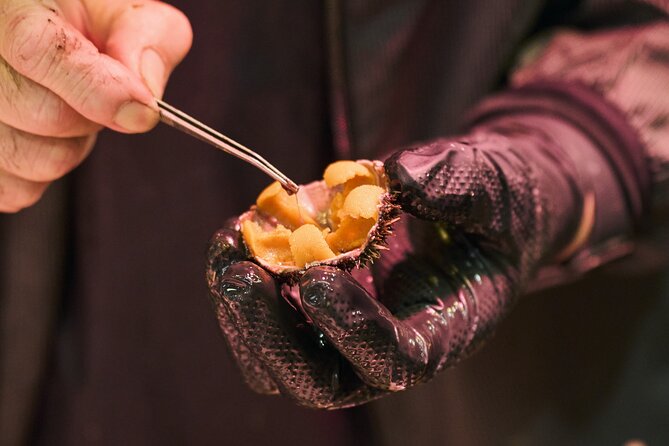
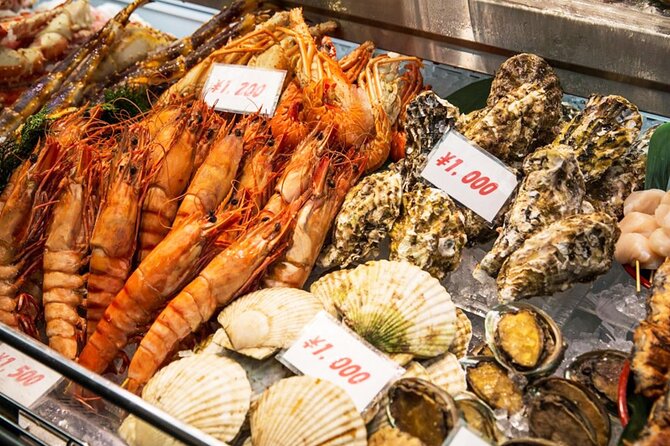
The final major stop is Kuromon Market, often called Osaka’s Kitchen. This covered market is known for seafood, wagyu beef, fruit, sushi, and other foods that can be eaten on the spot.
Kuromon is where a guide becomes especially useful. Stalls can be close together, choices can change during the day, and the market may feel like a string of tempting but unclear options if you are seeing it for the first time. Your guide can point out what is available and help you understand how the market fits into Osaka’s food culture.
The scheduled time here is about 30 minutes. That gives you enough time to look around and perhaps buy a small taste, but it is not a long market meal. Food and drinks are extra, and you will not stop for dining-in during the walk.
You may see seafood prepared for immediate eating, slices of fruit, sushi, or grilled items. The exact selection depends on the stalls operating when you visit. The supplied information promises the market’s food range, but not a particular dish or vendor, so keep your expectations flexible.
Kuromon can also be the busiest and most commercial stop. It is popular, and some prices may reflect its fame. A guide can help you avoid wasting time, but you still control what you buy. Set a spending limit before you arrive if you tend to say yes to every appealing sample.
What the food portion really includes
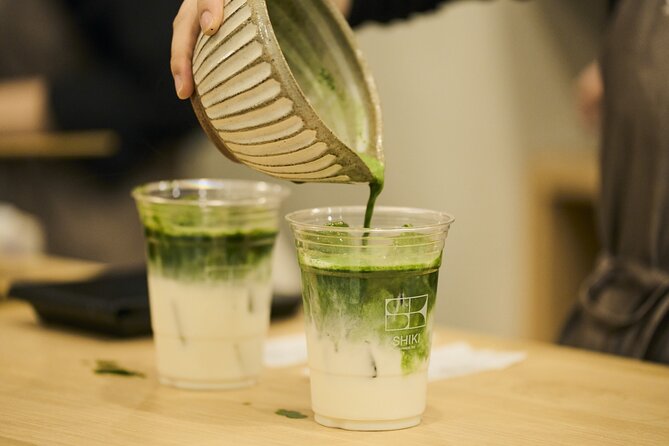
The tour includes an English-speaking guide, not a meal package. Takoyaki and gyoza are named as possible street foods, but the cost of each item comes from your own pocket. The same applies at Kuromon Market, where seafood, fruit, sushi, beef, and other foods are sold separately.
This arrangement has one clear advantage: you choose what suits your appetite and budget. You can try one small snack, spend more on seafood, or skip eating and focus on the sights. It also means the advertised price of $31.84 per person remains relatively low for a guided walk in central Osaka.
The drawback is that the final cost is open-ended. Two people who buy different amounts will pay different totals. If you expected a fixed-price tasting tour, this is not that product.
I would treat the $31.84 as payment for route planning, interpretation, and help at the market. You are paying for a local introduction, not for dinner. For many people, that is good value, especially early in a Japan trip when knowing where to eat can save time over the next few days.
Ask your guide for restaurant suggestions before the walk ends. The experience is well suited to gathering ideas for later meals, since the route covers several areas with different food styles.
The guide and group experience
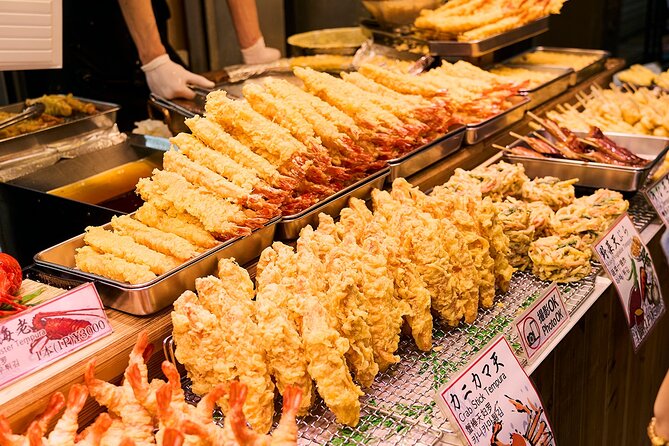
The tour is conducted in English and can include up to 15 people. That is small enough to feel more personal than a large bus excursion, though it is not a private tour. In a group of 15, you may need to stay close to the guide in crowded streets and markets.
The guide makes the biggest difference here. Kaz has led guests through classic and less familiar Osaka food stops. Nako has guided walks around Namba, the markets, and nearby sights. Sayaka has been praised for making the route flexible, including interests such as sake and pachinko.
Those names do not guarantee who will lead your departure, but they show the kind of role the guide can play. You should expect local explanation, route guidance, and suggestions for places to eat afterward. You should not assume every departure will include the same food purchases or side activities.
The walk is a good fit if you like asking questions. Ask about dishes, neighborhoods, restaurants, or how to return to a market stall later. The experience gives you more value when you treat it as a conversation rather than a march from one photo stop to the next.
Timing, walking, and practical planning
The tour lasts about two hours and returns to the starting point. That makes it easy to combine with a separate Osaka plan, though you should not schedule another fixed activity immediately afterward in case the market or crowds slow the group.
The route is in central Osaka and is near public transportation. Most people can participate, according to the supplied activity details. You should still wear comfortable shoes, since the experience is entirely built around walking and standing in commercial streets and market areas.
An evening departure makes the Dotonbori opening especially appealing. The signs, restaurants, and nightlife atmosphere are central to the experience. A daytime departure may suit you better if your priority is seeing market goods clearly or browsing Doguyasuji shops.
The meeting point is at Don Quijote Dotonbori Midosuji, and the activity ends there. Confirm the exact departure time and arrive with enough margin to locate the meeting point. Mobile ticketing makes the booking easy to carry on your phone.
Free cancellation is available if you cancel at least 24 hours before the start time. Cancellations within 24 hours are not refunded, and changes in that period are not accepted. This is useful flexibility while planning a Japan itinerary, but the cut-off follows local Osaka time.
Who should book this Osaka food walk?
I would recommend it to first-time visitors staying near Namba who want a quick introduction before choosing their own restaurants. It also suits solo visitors and couples who would rather have a local guide explain the food scene than spend their first night guessing at menus.
Food-focused visitors will get the most from the route, especially if they enjoy markets, kitchen tools, and short tastings. The Doguyasuji stop adds something different from a standard street-food walk, while Hozenji gives the route a cultural pause.
Families may appreciate the short duration and flexible food spending, though a group with very young children may find crowded market streets tiring. Shoppers interested in Japanese cooking equipment should set aside extra time before or after the tour if they want to browse properly.
I would be less likely to book it if I wanted a full meal, a private guide, or a long historical tour. I would also skip it if I had already explored Dotonbori, Hozenji, Doguyasuji, and Kuromon Market on my own and did not need food advice.
Should you book it?
Book this walk if you want a compact, guided introduction to Namba’s food culture and like choosing your own snacks. The $31.84 price is fair because it covers an English-speaking guide through four distinct areas, while leaving food spending in your hands.
Go in expecting a walking orientation, not an all-inclusive tasting dinner. Bring money for takoyaki, gyoza, or market food, ask for restaurant ideas, and allow extra time after the tour if Kuromon Market or Doguyasuji catches your interest. With a 4.9 rating from 199 reviews and a 97 percent recommendation rate, it has a strong record, but the right choice still depends on what you want from Osaka.
FAQ
How long does the Osaka nightlife and food walk last?
The experience lasts approximately two hours.
Where does the tour begin?
It begins at Don Quijote Dotonbori Midosuji, 2-chome 5-9 Nishishinsaibashi, Chuo Ward, Osaka.
Where does the tour end?
The activity ends back at the meeting point.
Is food included in the tour price?
No. Food and drinks from street vendors are not included, and you pay those vendors separately.
Will the tour include takoyaki and gyoza?
Takoyaki and gyoza are among the street foods you may try, but the supplied details do not guarantee a specific dish or purchase.
Does the tour include a sit-down meal?
No. The tour does not stop for dining-in.
What markets and shopping areas does the tour visit?
It visits Kuromon Market and Sennichimae Doguyasuji Shopping Street.
Is an English-speaking guide included?
Yes. An English-speaking guided tour is included.
How large can the group be?
The maximum group size is 15 people.
Can I cancel for a full refund?
Yes, if you cancel at least 24 hours before the experience start time. Cancellations within 24 hours are not refunded, and changes during that period are not accepted.
New nights out around Japan
- Osaka Umeda: PICCADILLY DINNER SHOW & NIGHTCLUB with Tasting★ 4.8 · 49 reviews
- Osaka: PICCADILLY PREMIUM DINNER SHOW&NIGHTCLUB with Tasting★ 5.0 · 26 reviews
- Tokyo: WARP SHINJUKU Nightclub Ticket with Drink / VIP Plan★ 4.2 · 55 reviews
- Okinawa:Sky BAR TOPTREE Nightclub Entry Ticket+Drink & VIP★ 3.9 · 16 reviews
- Private Food & Sake Tour in Central Kyoto with Sake Sommelier★ 5.0 · 24 reviews
- Hiroshima: Bar Hopping Food Tour★ 4.9 · 48 reviews
- Osaka: Bar-Hopping Night Tour in Namba★ 4.7 · 117 reviews
- Tokyo: Shinjuku Bar Hopping & Night Walking Tour★ 4.6 · 137 reviews
Osaka Bar Crawls, compared.
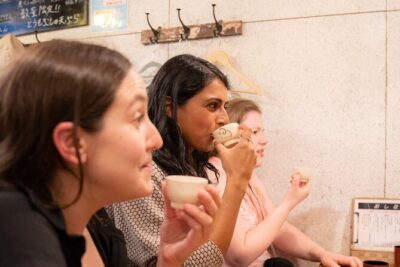
Osaka Local Bar Crawl in Dotombori & Uranamba Area
Read our review →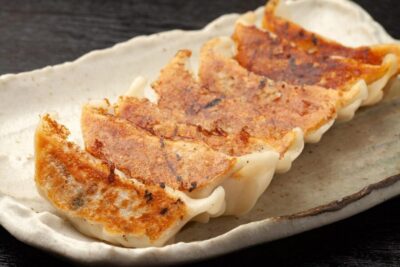
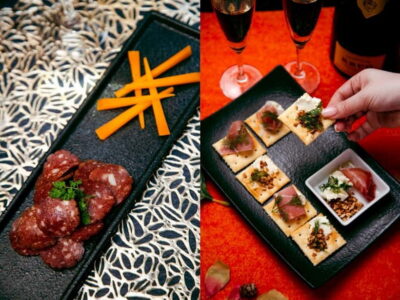
Osaka Umeda: PICCADILLY DINNER SHOW & NIGHTCLUB with Tasting
Read our review →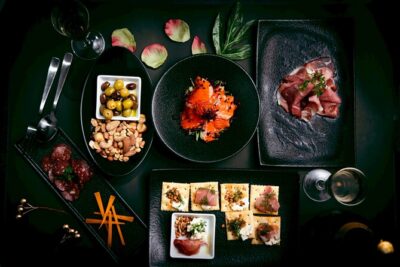
PICCADILLY PREMIUM DINNER SHOW&NIGHTCLUB with Tasting
Read our review →Browse the lists this tour appears in