
REVIEW · TOKYO
Asakusa: Culture exploring bar visits after history tour
Asakusa becomes more interesting when you connect its temples to its food. This four-hour evening tour starts with the area’s 1,400-year story, then shows how ordinary Japanese dining carries pieces of that past into the present.
I like the small group of eight, which makes it easier to ask questions, and I like that dinner is spread across three izakaya, not one fixed restaurant. The main consideration is time: if you care more about eating than temple history, the opening walk may feel too long.
- The Sumida River connection: Learn why the river is tied to the origin of Senso-ji.
- Asakusa after dark: See historic landmarks lit up rather than only in daylight.
- Three local-style stops: Eat and drink in izakaya settings linked to everyday Japanese life.
- A food-and-history approach: Understand cuisine as part of Japan’s social and cultural story.
- A small English-speaking group: The tour is limited to eight people and includes headsets.
- A guide with a personal touch: Guide Aki has been singled out for thoughtful hospitality.
Why Asakusa makes a good starting point
Asakusa is one of Tokyo’s best places to connect old Japan with the modern city. The district is known for Senso-ji, but this experience gives you more than a temple visit and a few photographs. It asks how the area grew, why it mattered, and how its culture reached beyond Tokyo.
The evening begins at the Burger King beside Exit 4 of Asakusa Station on the Ginza Line, station G19. This is a useful meeting point because it is next to the subway exit, but you need to step outside the station to find the group. Hotel pickup is not included, so plan your route before the start time.
From there, you walk through the historic part of Asakusa with an English-speaking professional guide. The walk is not the meal portion of the tour. That is deliberate. You first get the setting and the story, then you see how food and drink fit into the district’s daily life.
The tour lasts four hours, so expect a full evening rather than a quick tasting. Comfortable shoes matter. You should also bring water, especially if you are visiting during a warm part of the year.
Following the Sumida River back to Senso-ji
One of the more unusual points in the tour is the connection between the Sumida River and Senso-ji. Instead of treating the temple as an isolated monument, the guide explains how the waterway relates to the temple’s beginnings.
That approach gives you a better way to read Asakusa. Rivers are not just scenic features in old cities. They shape movement, trade, settlement, and local belief. Here, the Sumida River provides part of the answer to why this particular area became so important.
You will also hear how Senso-ji and Asakusa developed together. The temple helped draw people to the district, while the district gave the temple an active setting filled with commerce, entertainment, and daily life. This relationship is more useful than a list of dates because it explains why Asakusa still feels like a neighborhood built around a major religious site.
The walk also looks at Asakusa as an early force in Japan’s modernization. That is a valuable angle for anyone who already knows the basic temple story. You are not only hearing about an old Tokyo district. You are considering how a traditional center adjusted as Japan changed.
More history-and-drinks walks around Tokyo:
- Asakusa: Culture exploring bar visits after history tour
★ 5.0 · 4 reviews - New Orleans Cocktail and Food History Tour
★ 5.0 · 819 reviews - New Orleans Cocktail History Walking Tour in the French Quarter
★ 5.0 · 604 reviews
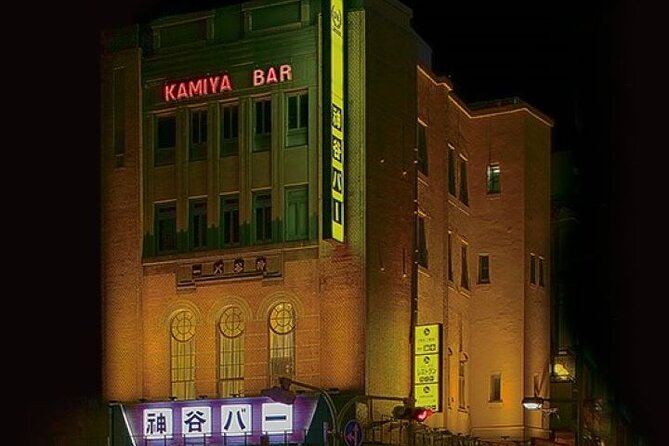
Seeing Senso-ji and Asakusa under evening light
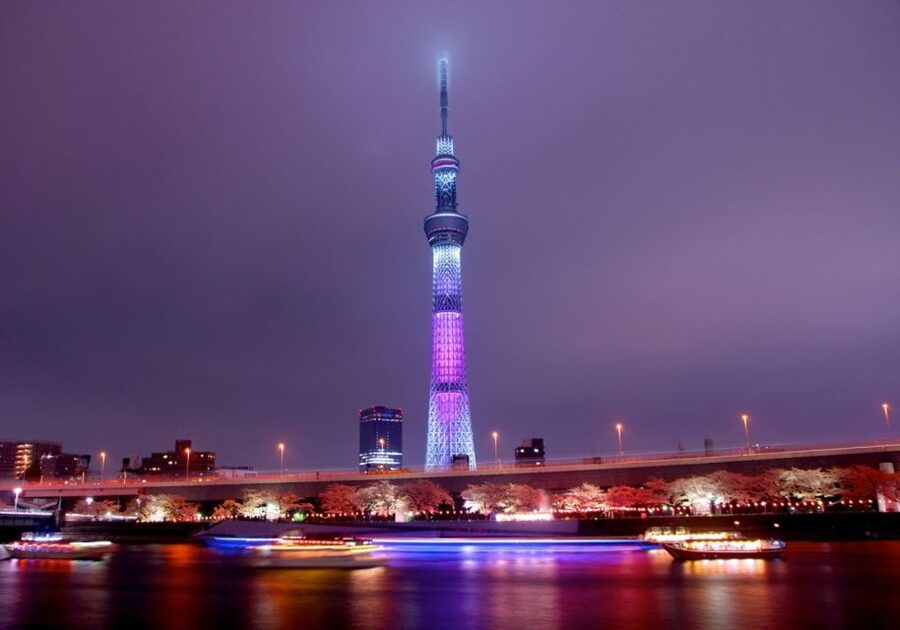
The timing gives the historic landmarks a different mood. Senso-ji and the surrounding streets can feel very different at night than during a busy daytime visit. Lit buildings, quieter corners, and the shift from sightseeing to evening dining help mark the change.
You should not expect a long, private temple visit or a detailed architectural lecture on every structure. The focus is the connection between place, history, and local culture. The guide’s story matters more than checking off individual buildings.
This part is also the tour’s main tradeoff. One participant specifically felt that less time around the temple area and more time using food to explain Japanese culture would have improved the balance. That is fair criticism for anyone booking primarily for dinner.
I would choose this tour if you want context before eating. If you already know Asakusa well, or if you want the maximum number of dishes and drinks in four hours, the history section may seem to take too much of the evening.
From temple grounds to the neighborhood izakaya
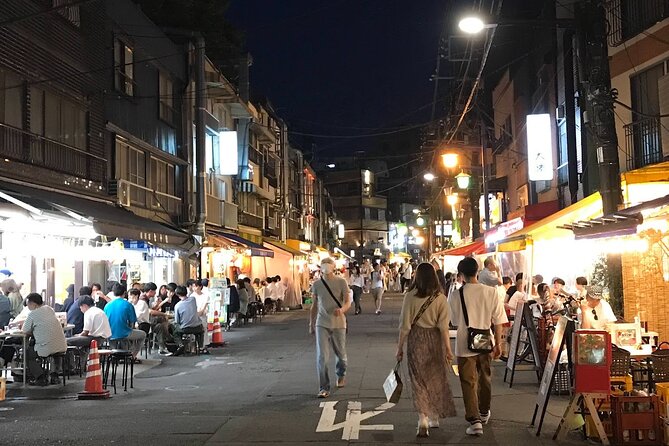
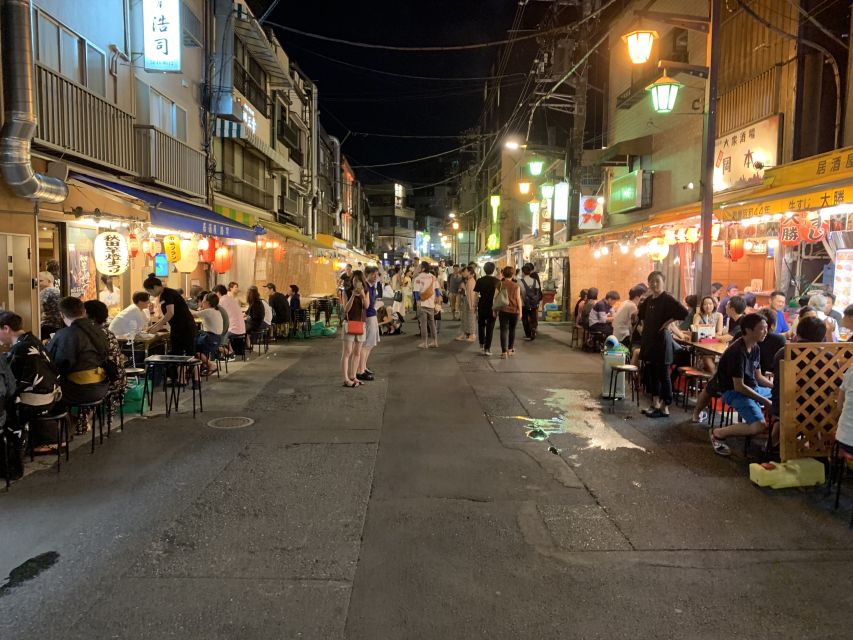
After the walking portion, the focus turns to three izakaya. An izakaya is a casual Japanese place where people commonly meet co-workers or friends, relax, and share food and drinks. It is not presented as a formal fine-dining experience, and that is part of the point.
The restaurants are described as distinct but typical. The food is unassuming and closely connected to everyday Japanese culture. You are there to see how locals spend time together, not to chase elaborate presentation or rare ingredients.
The three-stop format is a real advantage. One restaurant can give you a narrow picture of Japanese dining. Moving through three places lets you compare different moods and offerings within the same broad type of establishment.
The exact dishes are not fixed in the information provided, so you should not book this expecting a named menu. Instead, think of the meal as a guided introduction to the kind of food and drink people order in ordinary social settings.
What the dinner and drinks include
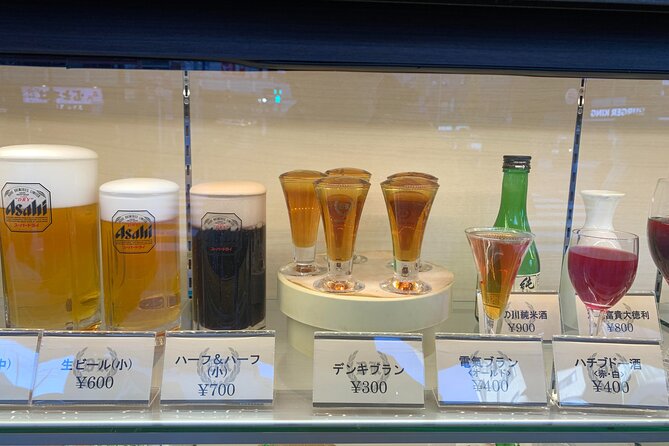
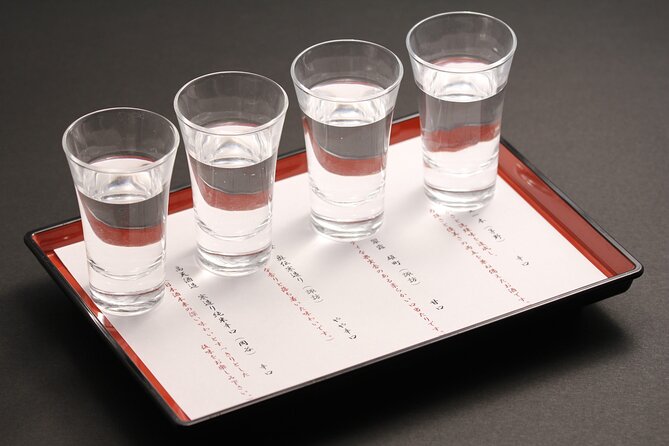
The package includes three to four drinks and three to four dishes during the izakaya portion. That gives the evening a solid food component, though the total is shared across three stops rather than concentrated in one large dinner.
The drink allowance is useful if you want to try several styles during the evening. It also means the guide can explain how different places function socially, rather than simply taking you to one bar and ordering a standard meal.
You should keep your own drinking pace in mind. The tour includes several drinks, but you do not need to treat that as a challenge. The purpose is to understand how people relax in these settings, not to collect as many glasses as possible.
If you have dietary restrictions, allergies, or strong dislikes, ask the operator before booking. The supplied information does not state that special menus are available, so do not assume that every dish can be changed.
More bar crawls in Tokyo:
- Tokyo Bar Hopping Tour in Shinjuku (All-You-Can-Drink + Dinner)
★ 5.0 · 3,587 reviews - Tokyo: Shinjuku Local Bar and Izakaya Guided Walking Tour
★ 4.9 · 1,794 reviews - Shibuya Meltdown Nightlife Tour: All-You-Can-Drink Bar Hopping
★ 5.0 · 1,058 reviews - Tokyo: Pub Crawl and Bar Tour
★ 4.5 · 951 reviews
How the food explains Japanese culture
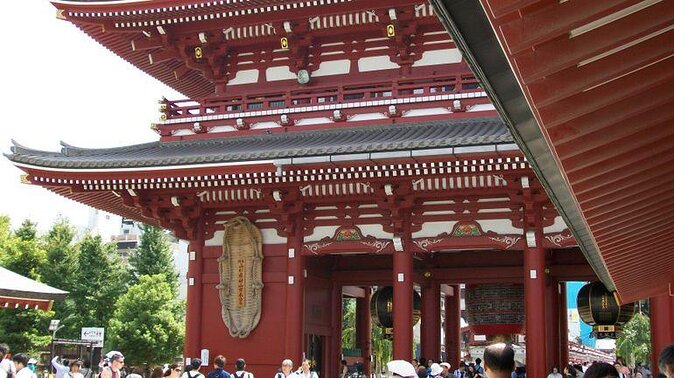
The best idea behind this experience is that food is treated as a piece of history, not a break between sightseeing stops. In Japan, casual eating and drinking can show how people work, socialize, and mark the end of the day.
The guide helps explain what makes izakaya different from a formal restaurant. You see how common dishes, shared plates, and drinks create a social rhythm. The setting may teach you as much as the food itself.
This can also help with future meals in Japan. After visiting three izakaya with a guide, you may feel less hesitant about entering a small local place on your own. You will have a better sense of what kind of setting to expect and why people go there.
Still, keep your expectations grounded. This is not a cooking class, a sake seminar, or a gourmet tasting. The value comes from the connection between place, history, and ordinary dining.
A small group makes the evening easier
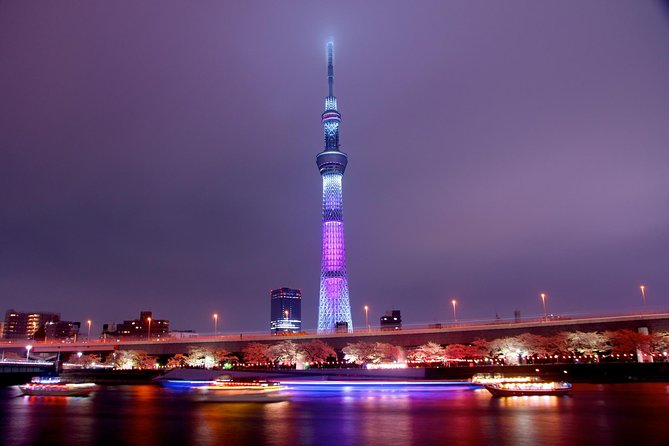
The group is limited to eight participants. That is a useful size for an evening that moves between streets, historic sites, and restaurants.
With a larger group, questions can get lost and restaurant seating becomes harder to manage. A group of eight gives you a better chance to hear the explanation, speak with the guide, and stay together without turning the tour into a parade.
Headsets are included, which is especially helpful outdoors. Asakusa can be active, and a guide speaking softly while walking is not always easy to follow. The headsets let you listen even when you are a short distance away.
The guide language is English. Guide Aki is associated with particularly warm hospitality, so if Aki is leading your departure, you can expect a personal touch based on the praise given for the way she welcomed an overseas friend. Guides can vary, however, so the booking details remain the best place to confirm who will lead your date.
Is $154 a fair price?
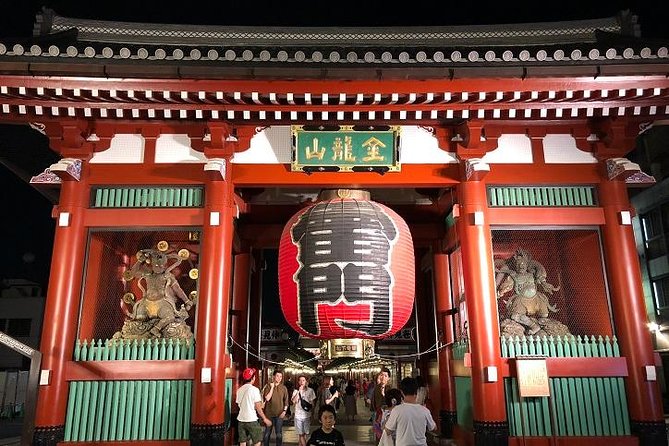
At $154 per person, this is not a budget food walk. The price includes the guide, the historical walk, headsets, three to four drinks, and three to four dishes across three izakaya.
The value depends on how you would otherwise spend the evening. If you would pay for a guided Asakusa walk and then visit several bars or casual restaurants on your own, the combined cost could feel reasonable. You are also paying for help with navigation, ordering, and cultural context.
The value is weaker if you only want a large dinner. Three to four dishes may not satisfy someone looking for a full multi-course meal, especially because the food is spread among several stops. You are paying for access and interpretation as much as for quantity.
I see the price as fair for a first evening in Asakusa if you want both history and nightlife without having to plan the route yourself. It is less compelling for repeat visitors who already know the area and can comfortably choose their own izakaya.
Who should book this Asakusa evening
This tour suits you best if you want a guided introduction to Asakusa that goes beyond Senso-ji. It is particularly useful for first-time visitors who want an easy way to connect a major landmark with local food and drink.
It also fits solo visitors and couples who would rather not enter several unfamiliar izakaya alone. The small group provides company, while the guide handles the evening’s structure.
History-minded food lovers should get the most from it. You hear about the Sumida River, Senso-ji, modernization, and the cultural influence of Asakusa before seeing how everyday restaurants fit into that story.
You may want another option if you have limited mobility. The activity includes walking between sites and restaurants and is not suitable for people with mobility impairments. You should also think twice if your main goal is a long, temple-focused visit or a large, food-heavy dinner.
Practical details that shape the night
The meeting point is in front of the Burger King beside Exit 4 of Asakusa subway station on the Ginza Line, station G19. Do not remain underground after reaching Exit 4. Step outside and use the provided map link to check the exact spot.
There is no hotel pickup or drop-off. Allow extra time to reach Asakusa, since the tour begins at a fixed meeting point and the evening includes several stops.
Wear shoes suited to walking. Bring water, and avoid arriving hungry enough to expect one immediate meal, since the historical walk comes first.
The activity offers free cancellation up to 24 hours before the start for a full refund. You can also reserve now and pay later, which helps if your Tokyo plans are still changing.
Should you book this tour?
Book it if you want Asakusa explained through both landmarks and local dining. The Sumida River connection, the story of Senso-ji’s growth, the look at modernization, and the three izakaya stops give you a fuller picture than a temple visit alone.
Skip it if you want a food-only tour, a generous dinner, or a slow architectural study of Senso-ji. The four-hour schedule gives real space to history, and that balance will not suit every appetite.
For most first-time visitors who value context, small groups, and a guided evening out, the experience offers a sensible way to get oriented. Just arrive ready to walk, keep your food expectations realistic, and remember that the main dish is the connection between Asakusa’s past and the way people gather there today.
FAQ
How long does the Asakusa tour last?
The tour lasts four hours.
Where does the tour meet?
It meets in front of the Burger King restaurant beside Exit 4 of Asakusa subway station on the Ginza Line, station G19. You should step outside the station at Exit 4.
What language is the tour conducted in?
The live tour guide speaks English.
How many people can join the tour?
The group is limited to a maximum of eight participants.
How many restaurants does the tour visit?
The evening includes three distinct izakaya restaurants.
What food and drinks are included?
The package includes three to four drinks and three to four dishes during the izakaya portion.
Is the tour suitable for someone with mobility impairments?
No. The activity is not suitable for people with mobility impairments. Comfortable shoes are recommended, and you should bring water.
New nights out around Tokyo
- Tokyo: Shinjuku Hidden Japanese Bar Tour (Neon Light City)★ 5.0 · 2 reviews
- ShinjukuUnfiltered Secret bar restaurant Tour,including GoldenGai★ 4.5 · 2 reviews
- Tokyo Shinjuku Bar Hopping –Wagyu , Ramen & 7 Dishes★ 5.0 · 13 reviews
- Shinjuku Underground Nightlife Tour: Izakaya Food & Bar Hopping★ 5.0 · 11 reviews
- Tokyo Izakaya crawl (A tour of 2 izakayas, 1 bar, and a shrine)★ 5.0 · 8 reviews
- Private Tokyo Local Food and Drink Tour with a Bar Hopping Master★ 5.0 · 22 reviews
- Tokyo VIP private nightlife tour with a local insider★ 5.0 · 24 reviews
- Shinjuku: Private Bar Hopping★ 5.0 · 34 reviews
Historical Tours, compared.

New Orleans Cocktail History Walking Tour in the French Quarter
Read our review →
NYC: Speakeasy Drinks and Prohibition History Tour
Read our review →

Sip History in The Sun Cabana Covered Cocktail Class
Read our review →
Charleston History and Hops Tour: Bar and History Walk
Read our review →
Tipsy Tour: Guided Bar Crawl In Florence with Dark History
Read our review →
The Speakeasy Adventure: A Tipsy Trip Through History
Read our review →Browse the lists this tour appears in