
REVIEW · PORTO
Porto: Tile Painting and Cocktails in Downtown Porto
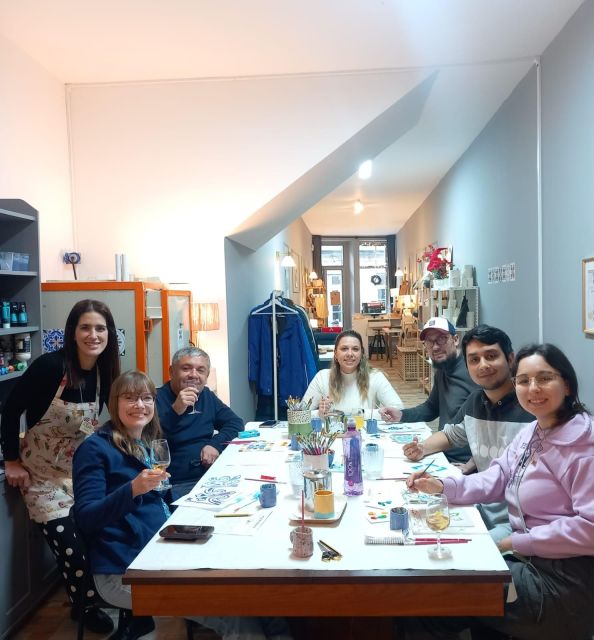
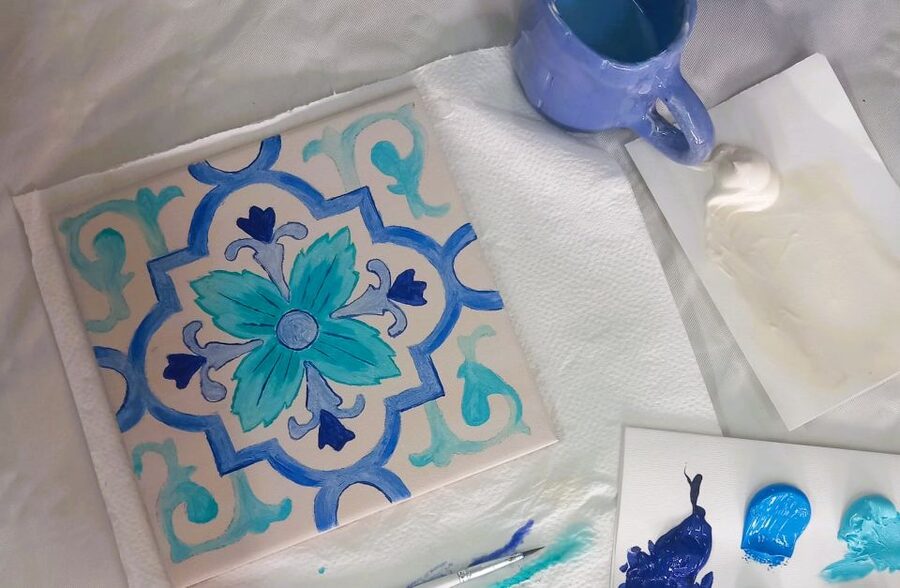
Portuguese tiles are more than pretty decoration. They cover churches, railway stations, homes, and entire facades, turning ordinary city streets into public art. At Boiler Studio on Rua Chã, you get to learn where this tradition came from, then paint your own ceramic azulejo while sipping a cocktail.
I like two things right away: the workshop gives you real cultural context before the brushes come out, and it is designed for ordinary people, not trained artists. Daniella, Emmanuel, and the studio team guide you through the process with stencils, examples, and hands-on help. The one drawback is that your tile may need extra drying time, so you might have to collect it later, especially if you attend in the afternoon.
Key points at a glance
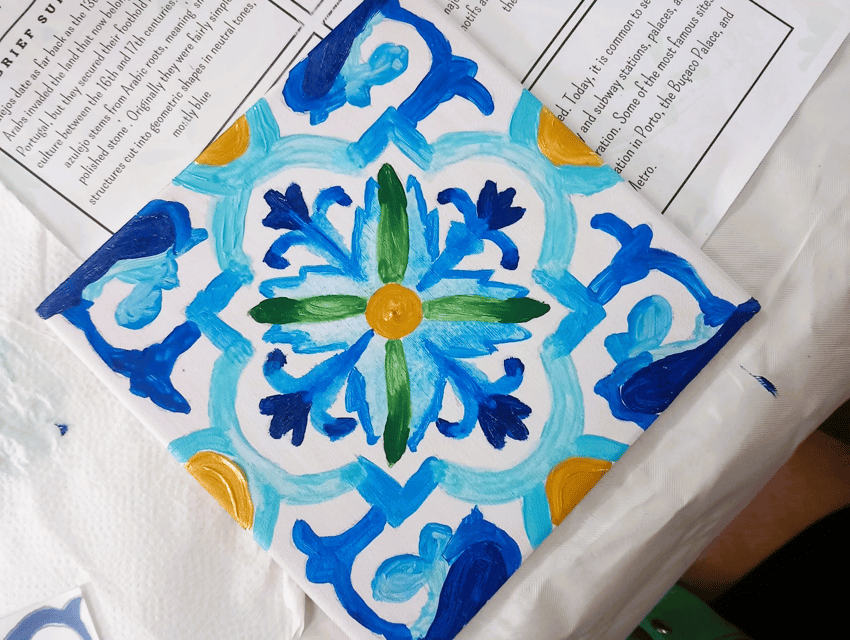
- Paint a full-size Portuguese tile: Choose from prepared designs or ask the studio to print a personal image or pattern.
- Learn before you paint: The introduction covers the origins of azulejos, changing styles, colors, cities, and modern use.
- Enjoy a Porto-inspired drink: The cocktail may be a Porto Tonic or a white port wine spritzer, depending on the session.
- Relax in a creative setting: Calm music, friendly instruction, and a small group atmosphere make this a gentle break from sightseeing.
- Take home a personal souvenir: Packaging is included, and collection may be later the same day or the following day if the tile needs more time.
- Find it beside Porto’s major sights: The studio is on Rua Chã, across from the Cathedral and close to São Bento Station and the Luis I Bridge.
Why painting an azulejo belongs on your Porto itinerary
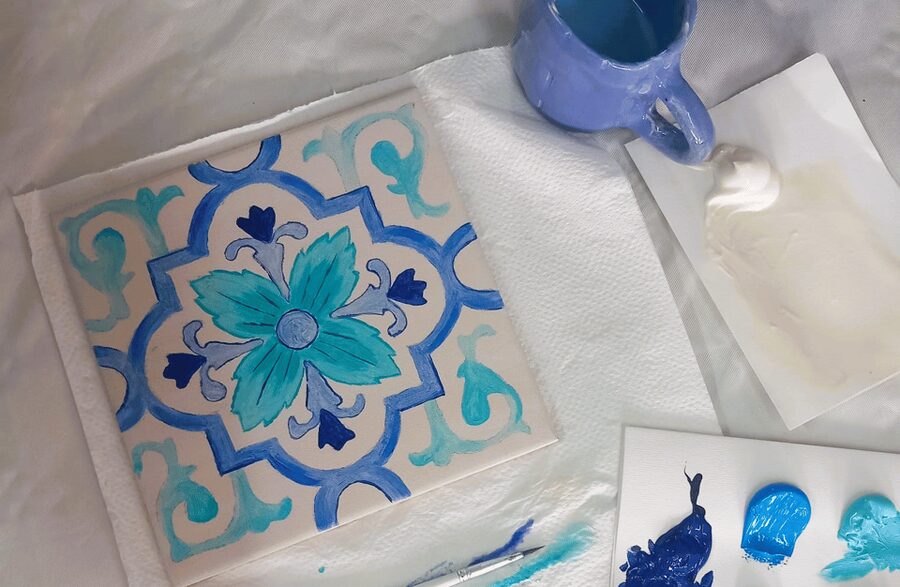
Porto is a city best understood by looking up. Tile panels appear on churches, apartment buildings, shops, stations, and narrow lanes. They can show religious scenes, local history, floral designs, geometric patterns, or simple blue-and-white decoration.
The workshop helps you see those tiles with more attention. You learn that azulejos have roots reaching back to the 13th century, when Arab influence spread through the Iberian Peninsula. The word comes from Arabic and refers to a small polished stone. Portuguese tile culture took firmer shape in the 16th and 17th centuries, when tiles became a major part of the country’s architecture.
That short lesson matters. Without it, tile painting can feel like a pleasant craft class with a Portuguese label attached. With it, your finished piece has a clearer connection to the buildings you have been seeing around Porto.
The history section also touches on changing colors, styles, uses, seasons, and cities. It is not a museum lecture, and you should not expect a full course in Portuguese ceramics. Instead, it gives you enough background to understand why this craft is so closely tied to the country.
More Cocktail Bar Tours in Portugal
- Tile Painting and Cocktails in Downtown Porto
★ 5.0 · 187 reviews - Albufeira PRIVATE Night Tour with Cocktails & Drinks
★ 5.0 · 19 reviews - Albufeira: Cocktail Making Class and Karaoke Party with DJ
★ 5.0 · 5 reviews
Finding Boiler Studio on Rua Chã 77
Boiler Studio is at Rua Chã 77, on a typical street directly in front of Porto Cathedral. This is a useful location for a two-hour activity because you can fit it between major sights without making a special trip across the city.
São Bento Train Station, the Luis I Bridge, Time Out Market, and the Cathedral are all listed as nearby landmarks. The exact walking time between them is not provided, so allow a little margin if you are moving between scheduled plans. Porto’s central streets can be steep and uneven, and the Cathedral area can be busy with sightseeing groups.
The studio also operates as a shop for handmade products made by local artists. That gives you something to browse before or after class, although it is worth keeping your focus on the workshop if you have a tight schedule. The shop adds a local design element without turning the activity into a shopping stop.
The opening lesson: Portugal’s tile story in plain language
The session begins with an explanation of Portuguese tiles and their place in the country’s culture. You learn who brought tile traditions to the region, how outside influences shaped Portuguese designs, and how tile use changed over time.
This introduction is one of the strongest parts of the experience because it gives you a way to read Porto after class. Blue-and-white tilework no longer looks like a single style. You begin to notice differences in pattern, color, subject, and setting.
The workshop also covers how tiles are used today. That modern link is useful. Portugal’s tile tradition is not limited to old churches or historic buildings. Contemporary artists and local makers continue to use tile as a practical and decorative material.
Expect the history portion to be brief enough to leave plenty of time for painting. If you want a detailed account of ceramic production, kiln firing, or the development of every Portuguese tile style, you will need a museum or specialist tour as well. Here, the aim is to give your hands and eyes some context before the creative work begins.
Choosing a design without feeling stuck
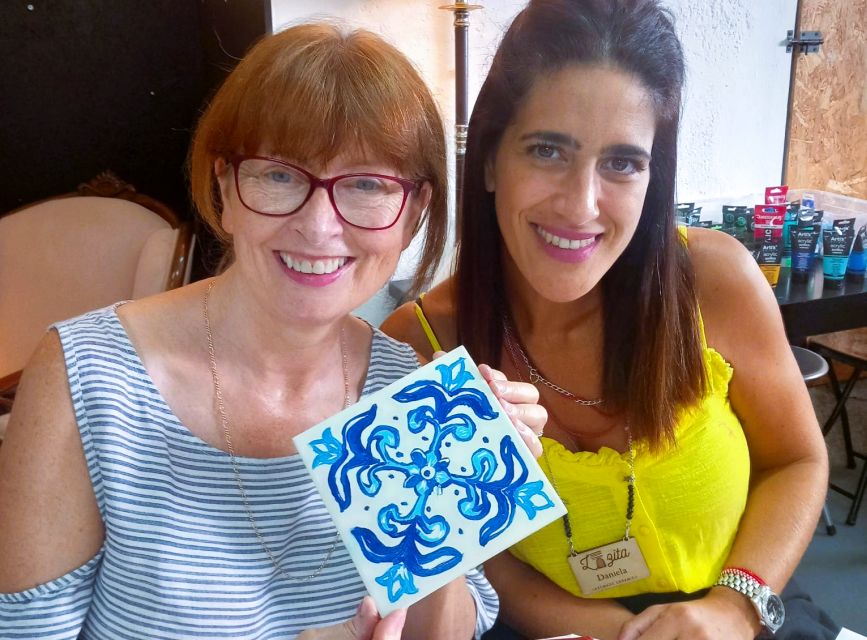
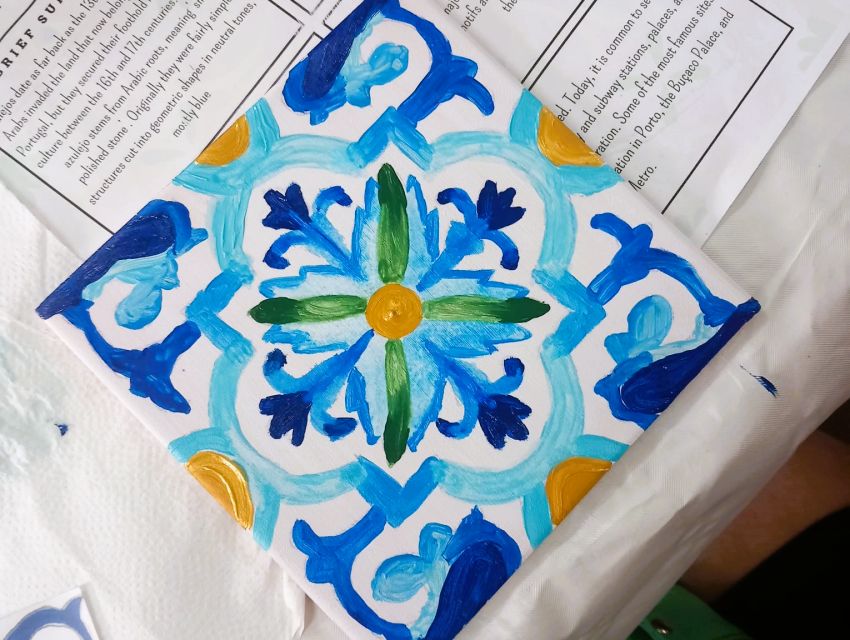
Once the introduction is finished, you receive a ceramic tile and the painting materials. The studio supplies acrylic paints, brushes, and paper packaging, so you do not need to bring craft equipment.
You can select one of the prepared patterns or stencils. This is a major help if you are not sure what to draw. You can also make your own design, and the studio has printed personal images for participants who want something more individual.
That choice makes the class work for different kinds of people. You can follow a traditional pattern, create a simple geometric design, or bring an idea connected to your trip. A family might paint several tiles with related colors, while a solo participant might choose a design based on a favorite Porto building.
The supplied guidance also keeps the class from becoming a test of artistic skill. The instructors show you how to use the design and help with technique as you go. You are not left alone with a brush and a blank tile.
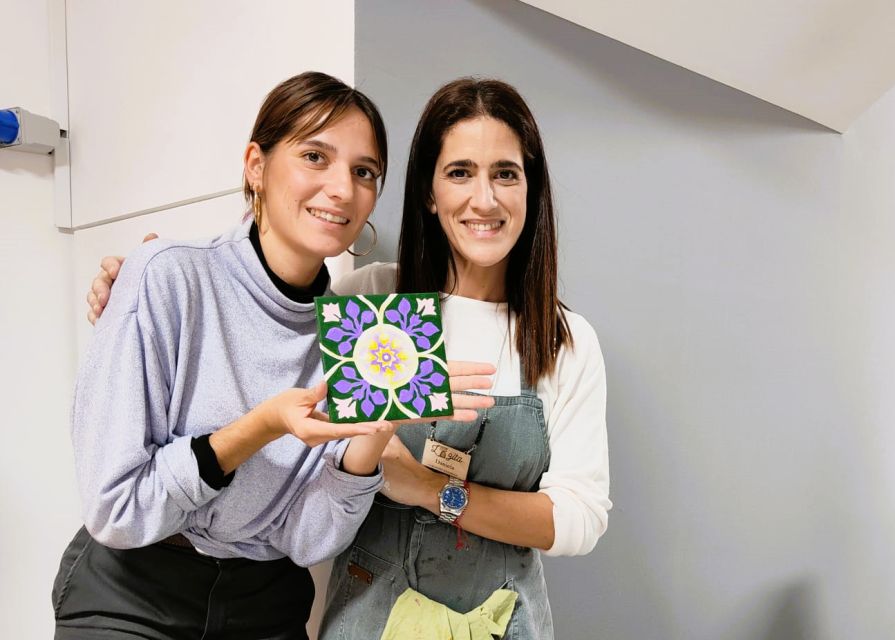
Still, your finished piece will reflect your own hand. This is not a factory-made souvenir, and small irregularities are part of its appeal. If you want a perfectly polished decorative tile, the handmade products in the shop may suit you better. If you want something personal, the workshop is the better choice.
More Cocktail Bar Tours in the world:
- Amsterdam: Luxury Saloon Boat Cruise with Cocktails & Waffle
★ 5.0 · 5,935 reviews - Amsterdam: Luxury Saloon Boat Cruise with Cocktails & Waffle
★ 4.6 · 4,393 reviews - Rome Cooking Class: Make Pasta and 3 Spritz Cocktails
★ 5.0 · 2,937 reviews - Amsterdam: City Centre Canal Cruise & Free Flower Cocktail
★ 4.2 · 2,310 reviews
Painting with help from Daniella, Emmanuel, and the team
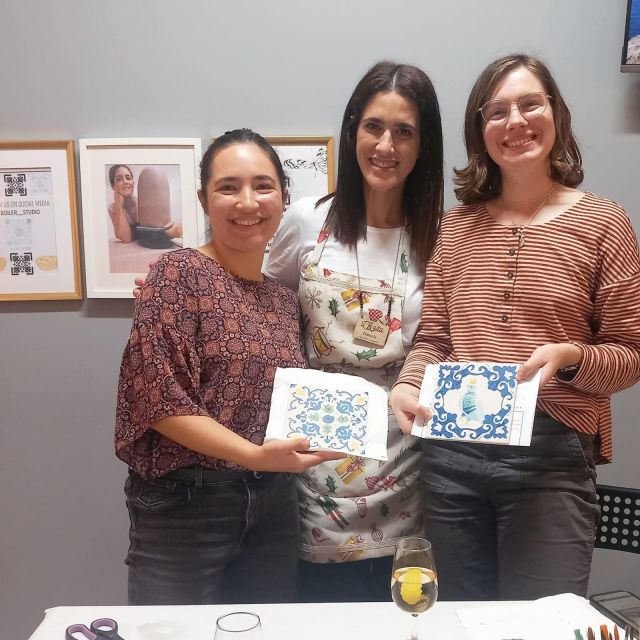
The instructors are repeatedly described as patient, friendly, and attentive. Daniella is singled out for giving clear explanations and hands-on assistance. Emmanuel and other staff members also lead sessions, so the exact instructor depends on your booking date.
The teaching style suits mixed groups. People with art experience can work more independently, while beginners can ask for help with tracing, paint placement, colors, or small corrections. You may also find that the instructor adjusts advice to match your design rather than forcing everyone into the same method.
That is important for couples and families. One person may be excited about painting, while another expects to be bored or worries about having no artistic ability. The activity is structured enough to provide direction, but open enough to let each person produce a different tile.
Children under 10 are not permitted. The practical age range begins at 10, and the activity can work well for older children and preteens who enjoy making something with their hands. Younger children may find the careful painting and waiting time less suitable.
The cocktail and the mood of the room
The workshop includes one cocktail, and the drink is part of the relaxed format rather than an afterthought. Porto Tonic and a white port wine spritzer are mentioned as examples. Some sessions may also offer coffee, but the included item is the cocktail.
Calm music, an easy pace, and the chance to chat with other people give the class a social feel. You can spend two hours doing something quiet and creative instead of rushing from one viewpoint to another. That makes it especially useful on a rainy afternoon or during a busy sightseeing day when you want a change of pace.
The drink also connects the craft to Porto’s food and drink culture. It is not a formal tasting, and you should not book this as a dedicated cocktail experience. The main event is tile painting. The cocktail simply makes the class feel more like a relaxed afternoon out.
Smoking, fireworks, and explosive substances are not allowed. That is ordinary studio policy, but it is worth knowing if you are arranging a group activity with several different plans.
How long the painting takes
The scheduled duration is two hours. That includes the tile history, design selection, painting time, and the social part of the class.
Many people can finish within the allotted session, but your pace depends on the complexity of the design. A simple stencil will be quicker than a detailed personal image. If you are particular about small sections or want to add many colors, you may need more time.
The staff may allow you to stay longer when possible. One participant was able to continue for about 30 extra minutes, and others collected their work later after it had dried. Treat that as a helpful possibility, not a guarantee. If you have a train, lunch reservation, or second tour immediately afterward, do not assume you can extend the session.
Ask the team when your tile will be ready before you leave. Some people collect it about an hour later, while afternoon sessions may require collection the next day. The studio provides paper packaging, which makes carrying the tile easier, but you should still pack it carefully in your luggage.
Is the $41 price fair?
At $41 per person, this is not the cheapest short activity in Porto. The price includes the two-hour workshop, the tile, paints, other materials, packaging, the history lesson, and a cocktail.
I consider that reasonable if you value a structured activity and a personal souvenir. You are not paying only for a blank tile and a drink. You are also paying for instruction, design support, studio space, and the chance to make something connected to Portuguese culture.
The value is strongest for people who would otherwise buy a decorative tile in a shop but would prefer to create one. It is also good for couples, families with children aged 10 and older, and anyone who wants a planned activity on a rainy day.
If you are trying to see Porto on the smallest possible budget, you can admire tilework around the city for free. You can also buy a finished item without spending two hours in a workshop. The class earns its price through the personal experience, not through the raw cost of the materials.
Who will enjoy this workshop most
I would choose this activity for:
- Couples looking for a shared souvenir
- Solo visitors who enjoy meeting other creative people
- Families with children aged 10 and older
- Anyone interested in architecture, ceramics, or design
- People who want a calm break from Porto’s hills and cobbled streets
- Visitors needing an indoor plan in wet weather
- Beginners who like clear instruction rather than open-ended art sessions
It is less suitable if you want a fast, drop-in craft activity or if your schedule leaves no room to collect the tile later. It is also not the right pick for anyone looking for a serious ceramics course. You paint a prepared ceramic tile, rather than shaping clay or operating a kiln.
Practical planning tips for your day
Place the workshop near other central sights. You can visit Porto Cathedral before class, walk to São Bento Station afterward, or continue toward the Luis I Bridge. Time Out Market is also listed among the nearby landmarks, but check your own route and timing rather than assuming every stop is only a few minutes away.
Wear something comfortable and avoid bringing unnecessary valuables to the painting table. The supplied information does not specify the type of protective clothing provided, so dress with ordinary care around acrylic paint.
English and Portuguese are the available languages. Wheelchair access is listed, which makes this one of the more practical central activities for people who need an accessible venue. Porto’s surrounding streets may still present their own challenges, so consider the route from your accommodation or transport stop.
You can cancel up to 24 hours before the activity for a full refund, and the reserve-now, pay-later option keeps your plans flexible. Starting times vary, so check the available slot before arranging the rest of your day.
Should you book the Porto tile painting workshop?
Book it if you want more than a quick photo of Porto’s famous blue tiles. The class gives you a short, useful lesson in Portuguese tile culture, patient support from instructors such as Daniella and Emmanuel, a cocktail, and a handmade keepsake you can connect to your own trip.
I especially like that the activity welcomes beginners without making experienced artists feel limited. The main caution is practical: your tile may not be ready immediately, and the two-hour schedule can stretch if you work slowly.
For $41, this is a good-value cultural activity when you have room in your itinerary and want a slower afternoon. If you prefer sightseeing only, skip it and admire the city’s tilework from the streets. If you want to understand that tile tradition and leave Porto with something you made yourself, Boiler Studio is an easy choice.
FAQ
Where does the tile painting workshop take place?
It takes place at Boiler Studio, Rua Chã 77, on a typical street in front of Porto Cathedral in central Porto.
How long does the activity last?
The scheduled duration is two hours. Some participants may need extra time to finish their tile, depending on the design and painting pace.
What is included in the price?
The price includes the tile history lesson, one ceramic tile, acrylic paints, painting materials, paper packaging, and a cocktail.
Can I choose my own tile design?
Yes. You can choose from prepared designs and stencils, or create your own design. The studio can also print a personal image for you.
Do I need to be artistic?
No. The instructors guide you through the process and provide help with the design and painting. You can work from a stencil if you do not want to create a design from scratch.
Can I take my tile home immediately?
Collection time can vary. Some people collect the tile about an hour later, while an afternoon session may require collection the following day so it can dry.
Is the activity suitable for children?
Children under 10 are not permitted. The activity is suitable for children aged 10 and older, as well as adults.
New nights out around the world
- St. John Sail with Bar and Hors d’Oeuvres to Lovango Dinner★ 4.5 · 35 reviews
- London Bar Meetup: Entry, Safe Original Drink & Transfer★ 4.1 · 9 reviews
- San Diego: Club Crawl★ 4.3 · 11 reviews
- Sydney: Secret Bar Guided Tour with Complimentary Drink★ 4.8 · 52 reviews
- Istanbul Nightlife Pub Crawl: 4 Venues, 4 Shots★ 5.0 · 44 reviews
- Drink, Ride, Sing and Dance Bar Tour★ 5.0 · 10 reviews
- VIP Haunted Hotel Experience: Ghost Hunting plus Cocktail★ 5.0 · 35 reviews
- California Academy of Sciences NightLife Admission Ticket★ 4.5 · 50 reviews
Cocktail Bar Tours, compared.
Luxury Saloon Boat Cruise with Cocktails & Waffle
Read our review →Luxury Saloon Boat Cruise with Cocktails & Waffle
Read our review →
Rome Cooking Class: Make Pasta and 3 Spritz Cocktails
Read our review →
City Centre Canal Cruise & Free Flower Cocktail
Read our review →
Oahu’s Waikiki Coast: Moana’s Sunset Cocktail Sail
Read our review →
Food & Mixology Tour:Tequila,Tacos, Mezcal and Agave Cocktails
Read our review →
Pasta Cooking Class Near the Colosseum with 3 Spritz Cocktails
Read our review →
Key West Afternoon Snorkel Sail with Unlimited Cocktails!
Read our review →Browse the lists this tour appears in