
REVIEW · KYOTO
Kyoto: Izakaya Bars Guided Walking Tour
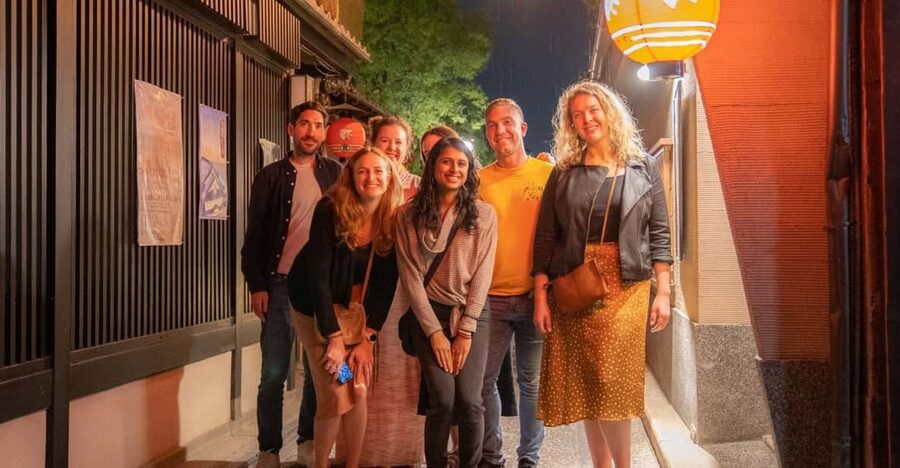
Kyoto’s best nightlife is often tucked above a narrow stairway or behind an unassuming doorway. This three-hour izakaya walk takes you from Kawaramachi to Kiyamachi, with a local guide handling the ordering, introductions, and small cultural details that are easy to miss on your own.
I like the friendly group size, usually five to ten people, and the mix of food, sake, beer, cocktails, and local history. Guides such as Moto, Taiga, Mia, Leo, and Lyou are repeatedly praised for making solo visitors feel welcome. The main catch is simple: the $25 price covers the guide and walking tour, but you pay separately for every drink and dish.
Key points at a glance
- Starts in central Kawaramachi: Meet outside the first-floor entrance of the Disney Store at Kyoto Shijo-Kawaramachi.
- Moves into Kiyamachi nightlife: Expect narrow lanes, small bars, izakayas, and places that can be difficult to locate without local help.
- Usually a social small group: Most departures have five to ten people, though one recent group had about 13.
- Food and drinks cost extra: Bring cash for beer, cocktails, sake, food, and the final bar.
- A strong choice for solo visitors: The guide actively helps people talk and settle into the group.
- Adults only: Alcohol is not available to anyone under 20.
Why this Kyoto night out works
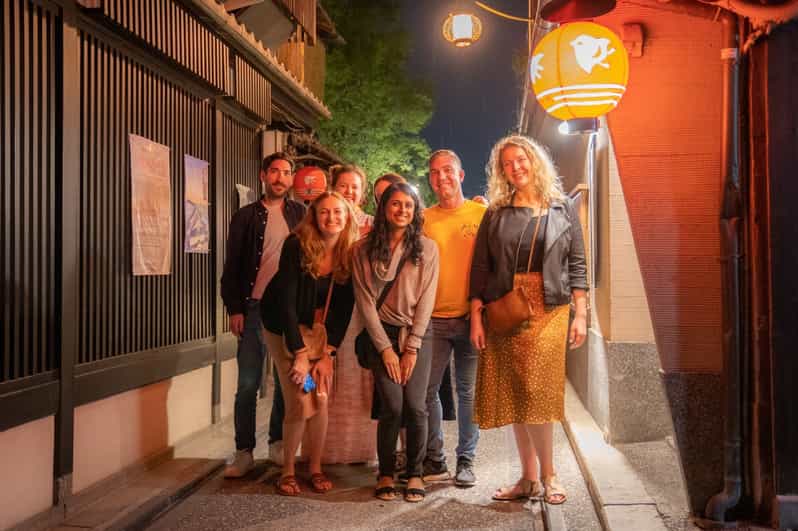
This is not a sightseeing walk with a quick drink added at the end. The food and bar stops are the main event, while the walk gives you context and helps you move between parts of central Kyoto without guessing where to go.
That matters in Kyoto. The Kawaramachi and Kiyamachi districts are packed with restaurants and bars, but the most appealing places are not always obvious from the street. Some are small, local spots with limited space. A guide who can lead the way and explain the customs makes the evening less awkward, especially if you are new to Japanese drinking culture.
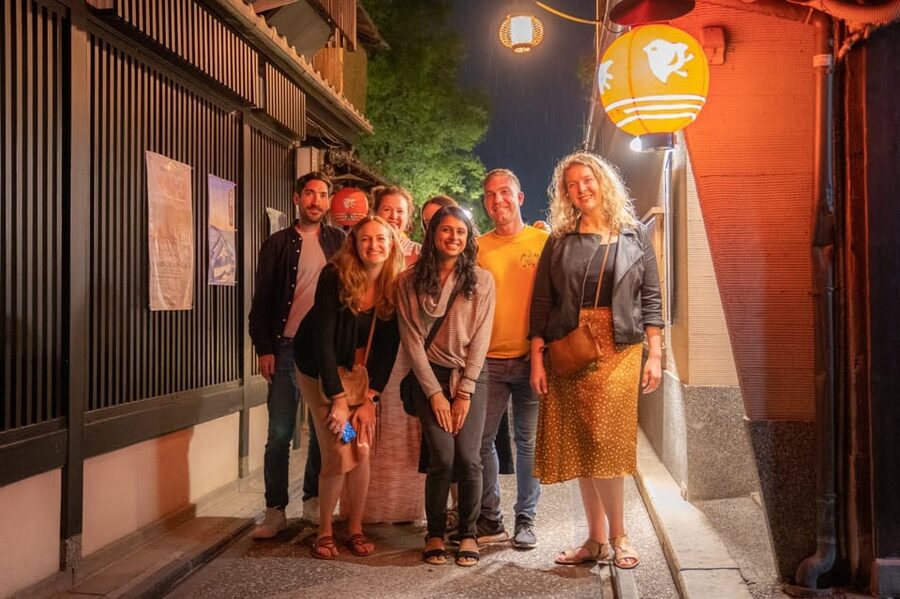
I also like the social setup. You meet people from several countries, then sit together in places where conversation comes naturally. Solo visitors in particular get a gentle introduction to Kyoto nightlife without having to walk into a bar alone.
The tour is not a bargain if you expect the $25 fee to include dinner and drinks. It does not. Think of the price as payment for access, local guidance, and a structured evening. Your final bill depends on what you order, so keep your spending in mind from the first stop.
More Izakaya and Sake Bar Hopping in Japan:
- Tokyo: Shinjuku Local Bar and Izakaya Guided Walking Tour
★ 4.9 · 1,794 reviews - Tokyo: Shinjuku Local Bar & Izakaya Crawl Tour
★ 5.0 · 890 reviews - Osaka: Izakaya Bars Guided Walking Tour
★ 4.9 · 385 reviews
Meeting at the Disney Store in Shijo-Kawaramachi
The meeting point is in the heart of Kyoto, outside the entrance of the Disney Store at Kyoto Shijo-Kawaramachi. The guide waits in front of the first-floor entrance, making the location fairly easy to identify in a busy central area.
Arrive ready to walk. Hotel pickup and drop-off are not included, and the tour stays on foot as it moves between the streets of Kawaramachi and Kiyamachi. Bring cash, since the activity specifically advises it for food and drinks.
The tour is offered in English. Guides vary by departure, but the names appearing often include Moto, Taiga, Mia, Leo, Lyou, Masa, Merisa, Haruka, Suzuno, and Kazuma. Their styles differ, yet the most praised qualities are consistent: a warm welcome, clear explanations, and an ability to keep the group talking.
This is also a good place to settle practical questions before the first stop. If you have dietary restrictions, tell the operator ahead of time. Food selections may be adjusted around general preferences, but you should not assume every dish will suit a particular allergy or diet unless you have arranged it in advance.
The first 15 minutes: Kawaramachi on foot
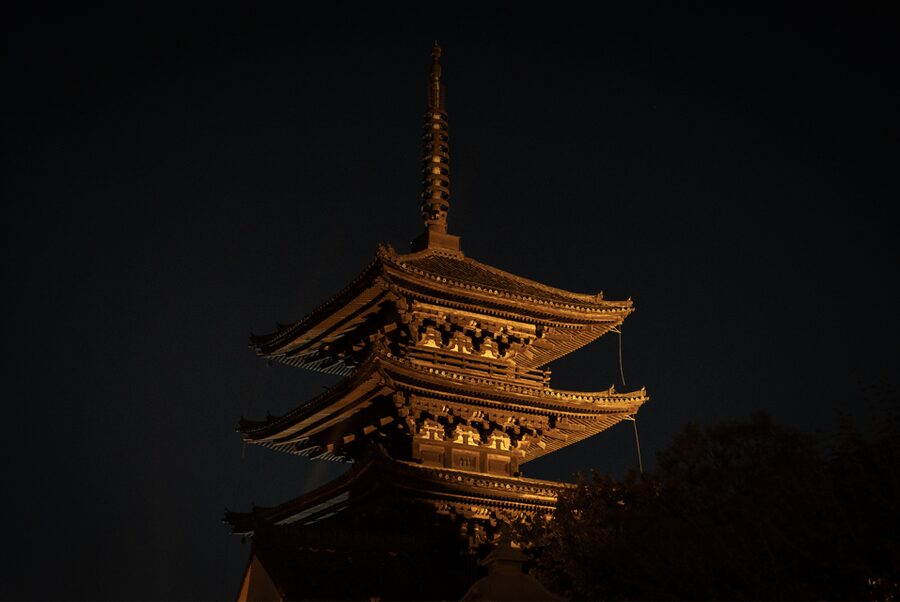
The opening guided section lasts about 15 minutes and gives you a quick look at central Kyoto. You may see temples, small lanes, interesting shops, and everyday street scenes before the focus shifts fully to food and drink.
Do not expect a long temple tour. This opening works more as a setting for the night. It helps you understand where you are and gives the guide a chance to explain bits of local culture before everyone sits down together.
Kawaramachi is useful for this because it is central, easy to reach, and full of activity after dark. It also offers a sharp contrast with Kyoto’s quieter temple districts. One minute you are looking at traditional streets and old-style details; soon after, you are moving toward bars and izakayas filled with conversation.
The walk is short, but it adds value. You get more than a series of disconnected restaurant visits, and the guide can point out small details you might otherwise pass without noticing.
Kiyamachi and the small izakaya stops
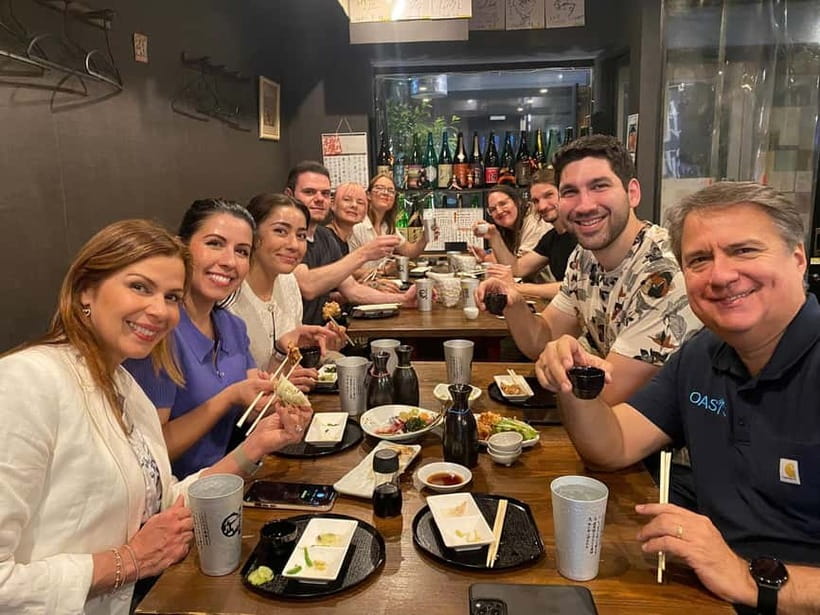
The main portion of the tour takes place in the Kiyamachi area, with about two and a half hours set aside for sightseeing, food tasting, drinks, and conversation. The exact venues can vary, which is part of the appeal. The evening is built around local connections rather than one fixed restaurant menu.
An izakaya is a Japanese drinking-and-eating place, usually suited to ordering several small dishes for the table. That makes the format useful for a group. You can try a few different flavors instead of committing to one large meal, and the guide can explain what you are eating as it arrives.
Past food mentioned by guests includes fried chicken, sashimi, and other local dishes. The point is not fine dining. It is the chance to share familiar and unfamiliar foods in a casual setting, while learning how the meal fits into Japanese social life.
The bar choices also vary in character. One stop may focus on sake, another may offer beer or cocktails, and a later venue may specialize in whiskey. The changing atmosphere gives the evening a pleasant rhythm. You are not stuck in one room for three hours, yet you are not rushed from place to place either.
The strongest part of this arrangement is the guide’s role. Ordering in an unfamiliar bar can feel uncertain, especially when the menu is hard to read or the venue is small. Your guide can explain the drinks, help the group choose, and provide local background without turning the night into a lecture.
More bar crawls in Japan:
- Tokyo Bar Hopping Tour in Shinjuku (All-You-Can-Drink + Dinner)
★ 5.0 · 3,587 reviews - Shibuya Meltdown Nightlife Tour: All-You-Can-Drink Bar Hopping
★ 5.0 · 1,058 reviews - Osaka Bar Hopping Night Walking Tour in Namba (3 bars, 6 tastes)
★ 5.0 · 958 reviews - Tokyo: Pub Crawl and Bar Tour
★ 4.5 · 951 reviews
Sake tasting and Japanese drinking culture
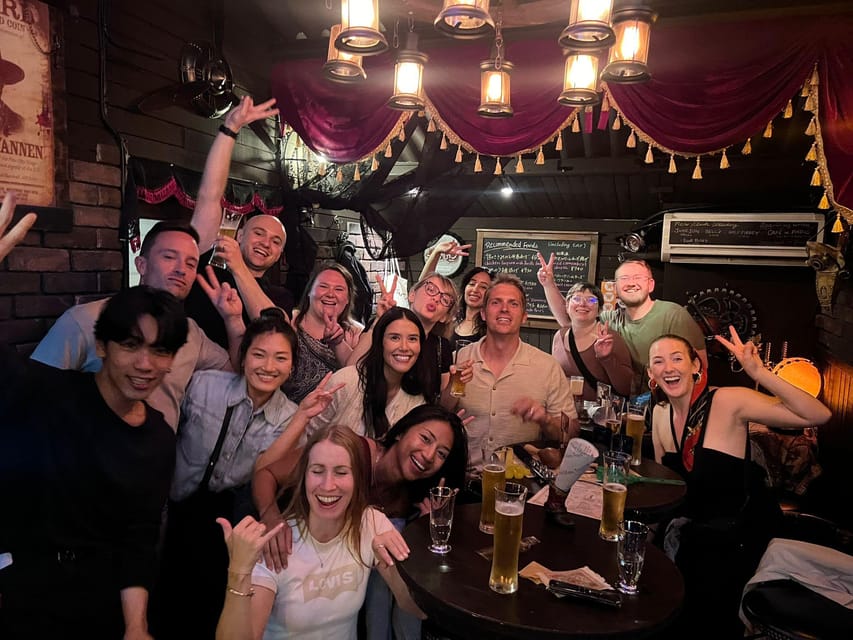
Sake is often the star of the evening. Several guides are praised for explaining how different sakes taste and how they are made. You may try a range of styles rather than just one standard pour, depending on the bar and the night.
That explanation gives the tasting purpose. Instead of simply drinking something described as Japanese sake, you get a basic sense of the differences between bottles and tasting notes. Even a short explanation can help you make better choices later in your trip.
The tour also gives you a look at the social side of drinking in Japan. An izakaya is not just a bar with food. It is a place to talk, share dishes, and spend time together. The guide can explain small cultural differences between Kyoto and other major Japanese cities, along with details about shrines, local customs, and the drinks in front of you.
Keep your expectations practical. This is an introduction, not a formal sake course. If you already know a great deal about Japanese alcohol, the information may feel basic. For most visitors, though, the relaxed setting makes it easier to remember.
The final bar and the changing mood
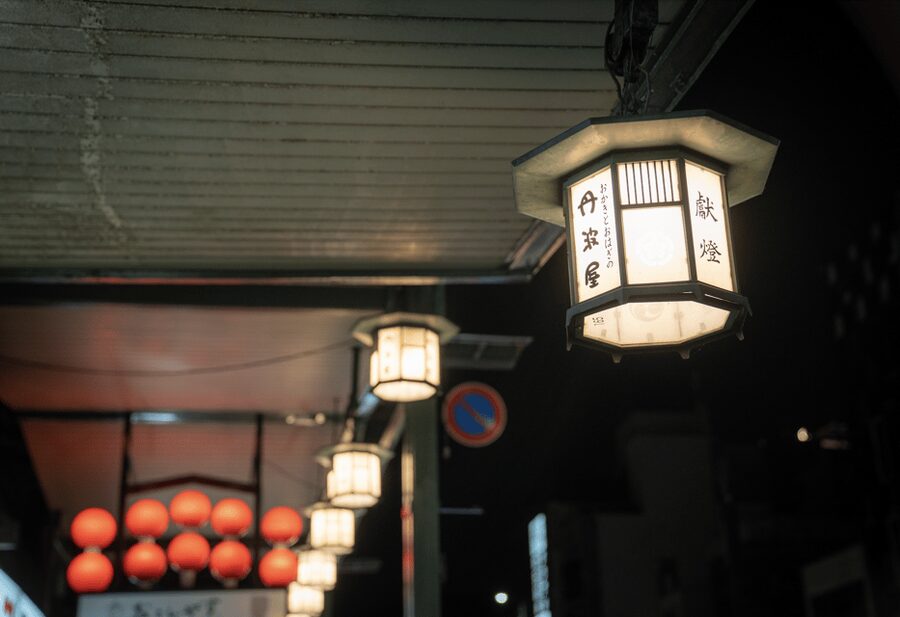
The last stop is described as a local bar that may be difficult to find without help. Past evenings have ended at whiskey bars, small hole-in-the-wall venues, and, on at least one occasion, karaoke.
This final stop seems to be where the group often relaxes most. By then, everyone has shared food and drinks, learned names, and found a common rhythm. A smaller bar or karaoke setting can feel more personal than the earlier stops.
The finish is not necessarily a hard stop. The activity description indicates that you can continue enjoying the evening after the formal tour ends. That gives you flexibility, but remember that any extra time, food, or drinks are your own responsibility.
The changing venues are a strength, but they also mean you should not book this expecting a guaranteed list of named bars. The operator chooses places based on the guide, local connections, and the evening’s group. If you want one specific famous bar, this is not the right format.
Guides who shape the evening
The guide can make or break a social food tour. Here, the most praised names include Moto, Taiga, Mia, Leo, and Lyou, along with Masa, Merisa, Haruka, Suzuno, and Kazuma.
Moto is often described as relaxed, friendly, and good at explaining food, sake, and local customs without taking over the evening. Taiga receives praise for his humor, history notes, and ability to make the group feel at ease. Mia is noted for keeping conversations going and explaining the food and drinks clearly.
Lyou is described as attentive and thoughtful, while Leo is praised for choosing appealing local stops and offering useful recommendations. Haruka is noted for creating a warm atmosphere and explaining different types of alcohol. These details suggest that the operator uses several guides, so the tone may differ from one departure to another.
The common thread is active hosting. You are not simply following someone from bar to bar. The guide introduces people, answers questions, and notices when someone is being left out. That is especially helpful if you are shy, alone, or traveling in Japan for the first time.
Group size, pace, and the social side
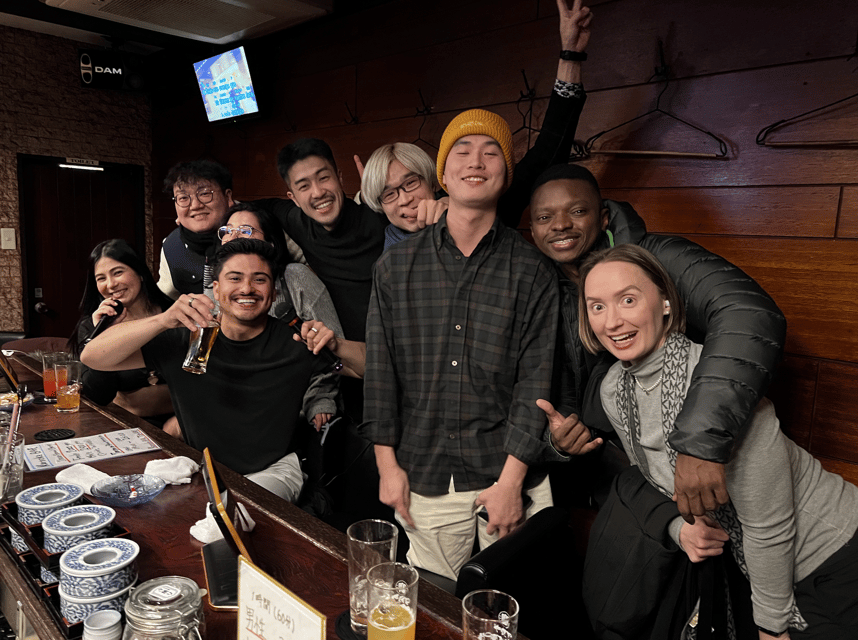
The normal group size is five to ten people, which is about right for small bars and shared dishes. It is large enough to meet others but not so large that the guide has to shout over the room.
Group sizes can vary. One evening had about 13 people, so you should allow for the possibility of a somewhat larger gathering. A bigger group can bring more energy, but it may also mean less individual attention and tighter seating at small venues.
The pacing is generally comfortable. You spend roughly 15 minutes on the opening walk, then about two and a half hours on food, drinks, sightseeing, and conversation. This is a social evening, not a race to collect venues.
If you are traveling alone, I would consider booking this early in your Kyoto stay. It gives you an easy way to meet people and provides a few ideas for later nights. If you are traveling as a couple or with friends, the tour still works, but the social benefit may be less important than the local access.
What the $25 price really buys you
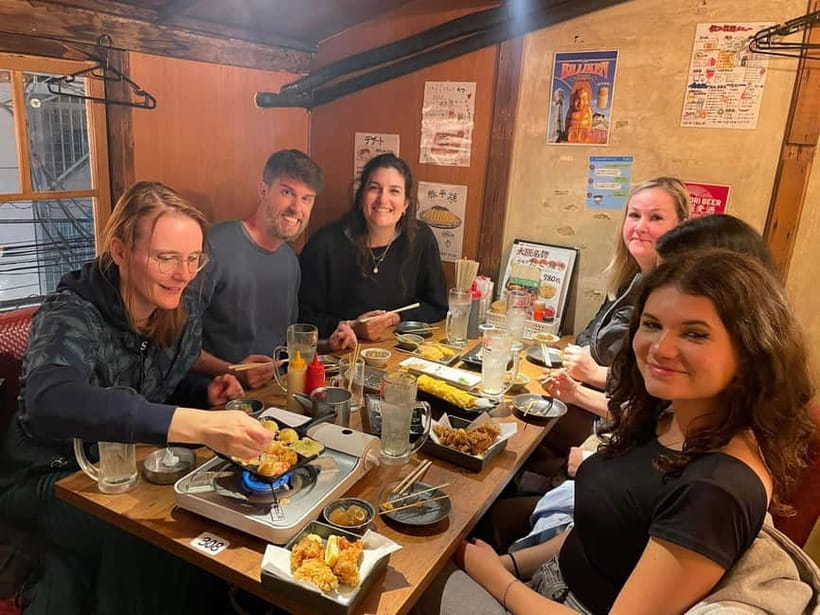
At $25 per person, the tour is reasonably priced for three hours with an English-speaking local guide. You are paying for route planning, introductions, translation help, cultural explanations, and access to small venues you might not find comfortably on your own.
You are not paying for a meal or an open bar. Food and drinks are extra, and the operator asks you to bring cash. The final cost therefore depends on how much you eat and drink at each stop.
This arrangement has one advantage: you control your spending. You can order lightly, sample a few things, or make the evening into a full night out. The drawback is that the advertised price does not tell you the total cost of the experience.
There is also a small accounting note: amounts of 99 yen or less may be rounded up when the total is split. It is a minor issue, but carrying some extra cash makes the group bill easier.
Free cancellation is available up to 24 hours before the activity for a full refund, and you can reserve now while paying later. Those terms are useful if your Kyoto schedule is still shifting.
Who should book this Kyoto bar walk?
This tour suits you if you want a social night out, enjoy trying several small dishes, and would rather have a local lead the way than plan every stop yourself. It is especially useful for solo visitors, first-time visitors to Kyoto, and anyone curious about sake or izakaya customs.
It also works well for people who want more than a standard restaurant reservation. The combination of walking, local history, food, and drinks gives the night some variety.
You may want to skip it if you do not drink alcohol, dislike group activities, or need a quiet and private dinner. It is also not suitable for anyone under 20, and it is not the right choice if you need all food and drinks included in the upfront price.
If you have serious dietary restrictions, contact the operator before booking. The activity asks guests to share restrictions in advance, but the food is served in local bars and may not be fully customizable.
Should you book it?
Book this tour if you want an easy introduction to Kyoto after dark, with local guidance and plenty of conversation. The strongest reasons are the small-group setting, the variety of bars, and the guides’ repeated success at making solo visitors feel welcome.
Skip it if you want a fixed menu, a quiet tasting, or a fully prepaid evening. For everyone else, $25 is a fair entry fee for three hours of local direction. Just bring cash, budget separately for food and drinks, and arrive ready to share a table with people you have not met yet.
FAQ
Where does the Kyoto izakaya tour meet?
Meet your guide in front of the first-floor entrance of the Disney Store at Kyoto Shijo-Kawaramachi.
How long does the experience last?
The tour lasts three hours. About 15 minutes are set aside for the opening guided walk, followed by roughly two and a half hours of sightseeing, food tasting, drinks, and bar visits.
What areas does the tour visit?
The walk begins in Kawaramachi and continues into the Kiyamachi area, where the group visits izakayas and bars.
Are food and drinks included in the $25 price?
No. The fee includes three hours with a local guide and the walking tour. You pay separately for food and drinks.
Should I bring cash?
Yes. Cash is specifically recommended for paying for food and drinks and for splitting the group bill.
Is the tour available in English?
Yes. The live tour guide language is English.
Can someone under 20 join?
No. The activity is not suitable for people under 20, and minors under 20 should not consume alcoholic drinks.
What is the usual group size?
The usual group has five to ten people, although group size can sometimes be larger.
Can I cancel for a full refund?
Yes. You can cancel up to 24 hours in advance for a full refund.
New nights out around Japan
- Tokyo: WARP SHINJUKU Nightclub Ticket with Drink / VIP Plan★ 4.2 · 55 reviews
- Okinawa:Sky BAR TOPTREE Nightclub Entry Ticket+Drink & VIP★ 3.9 · 16 reviews
- Osaka Umeda: PICCADILLY DINNER SHOW & NIGHTCLUB with Tasting★ 4.8 · 49 reviews
- Osaka: PICCADILLY PREMIUM DINNER SHOW&NIGHTCLUB with Tasting★ 5.0 · 26 reviews
- Private Food & Sake Tour in Central Kyoto with Sake Sommelier★ 5.0 · 24 reviews
- Hiroshima: Bar Hopping Food Tour★ 4.9 · 48 reviews
- Osaka: Bar-Hopping Night Tour in Namba★ 4.7 · 117 reviews
- Tokyo: Shinjuku Bar Hopping & Night Walking Tour★ 4.6 · 137 reviews
Izakaya and Sake Bar Hopping, compared.
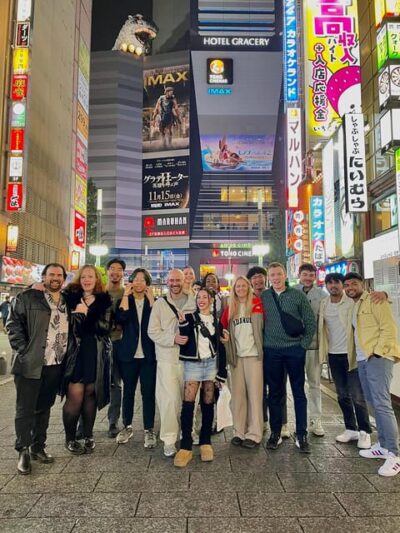
Shinjuku Local Bar and Izakaya Guided Walking Tour
Read our review →
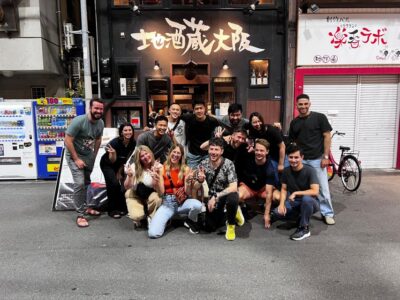
Shinjuku Izakaya and Golden Gai Bar Hopping Tour
Read our review →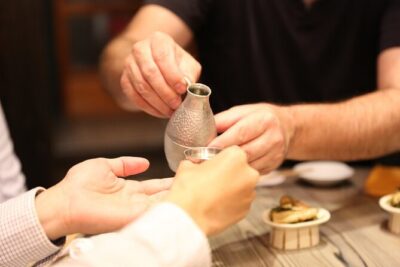
Private Food & Sake Tour in Central Kyoto with Sake Sommelier
Read our review →Browse the lists this tour appears in