
REVIEW · MADRID
Madrid: Spanish Cocktail Workshop – Sangria, Tinto de Verano & Calimocho
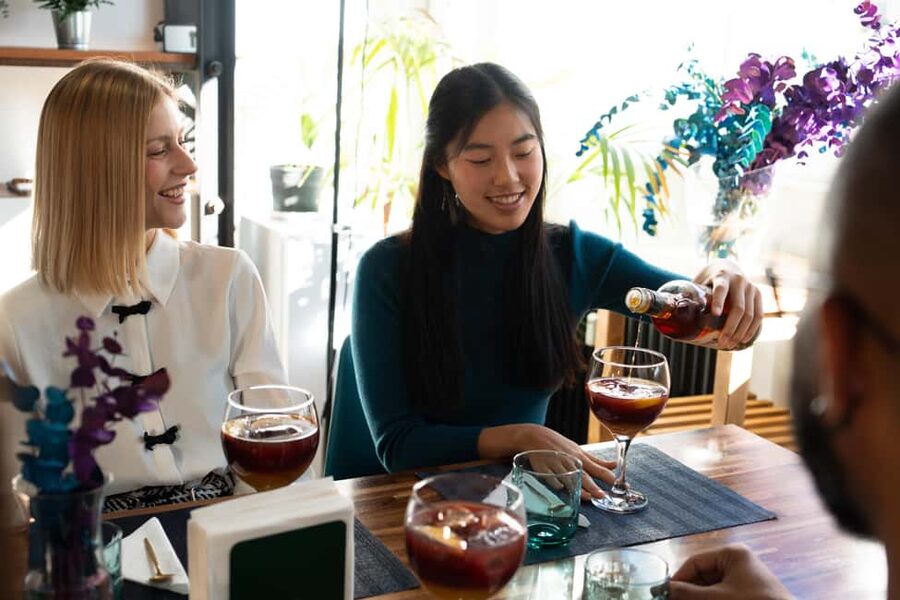
Madrid’s Spanish Cocktail Workshop goes beyond the usual sangria lesson. In 90 minutes, you make and taste three classic drinks: sangria, tinto de verano, and kalimotxo, while learning when locals serve each one.
I like the central location, just a few minutes from Puerta del Sol, and the hands-on format. You do not simply watch someone pour wine and fruit. You take part in making the drinks, then pair them with snacks or optional tapas. The main drawback is that this is an alcohol-focused activity, so it is not suitable for children, pregnant women, or anyone avoiding alcohol.
Key points at a glance
- Three drinks instead of one: Learn sangria, tinto de verano, and kalimotxo in a single 90-minute session.
- Central Madrid setting: The meeting point on Calle Carretas is close to Puerta del Sol and easy to fit into a day of sightseeing.
- Local drink customs: Find out when each drink is usually enjoyed and how they fit into Spanish social life.
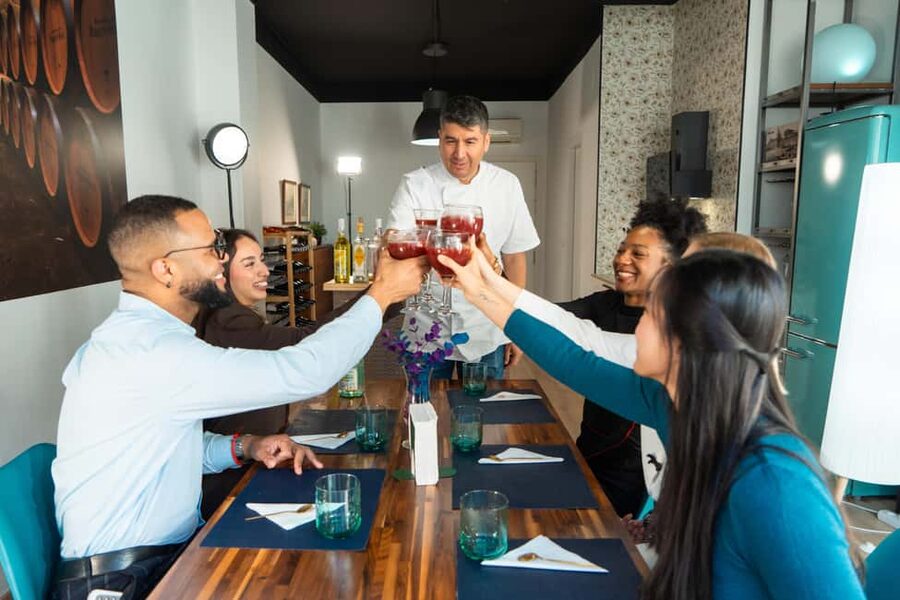
- Hands-on preparation: You take part in mixing the drinks rather than sitting through a demonstration only.
- Food makes the session more filling: Snacks are included, with an optional tapas selection featuring tortilla, croquettes, ham, and tomato toast.
- Several teaching languages: Instruction is available in English, French, Spanish, Italian, and Portuguese.
Three Spanish drinks in one compact class
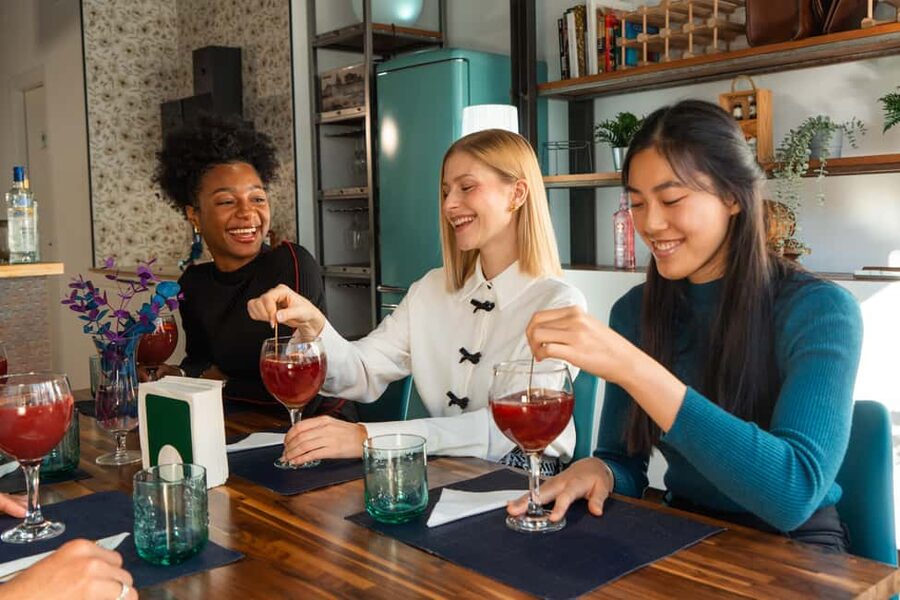
The strength of this experience is its range. Many Madrid drink classes stop at sangria, the fruit-filled wine punch most familiar to international visitors. This workshop adds two drinks that say more about everyday Spanish habits: tinto de verano and kalimotxo.
You begin with sangria, treated here as the queen of Spanish mixed drinks. The lesson covers how to make it and introduces variations, so you can compare the idea of a standard recipe with the many ways people adapt it. That is useful because sangria is not a single fixed formula. The balance of wine, fruit, sweetness, and other ingredients can change from one table to the next.
The class then moves to tinto de verano, a simpler wine drink that is closely tied to warm-weather gatherings. Its name means summer red wine, and the drink is often valued for being easy, casual, and refreshing. The important lesson is not just how to mix it, but when it suits the occasion.
Finally, you learn kalimotxo, also spelled calimocho. This combination of red wine and cola is especially associated with younger drinkers and northern Spain. It has a more informal reputation than sangria, and its inclusion gives the class a broader view of Spanish drinking culture. You leave knowing that Spanish wine drinks are not all designed for the same kind of meal or celebration.
More Cocktail Bar Tours in Spain
- Seville: Flamenco Show & Cocktail Experience
★ 4.5 · 140 reviews - Cocktail course Mallorca
★ 5.0 · 40 reviews - Tenerife Hidden Gem: Anaga Hike, Bajamar Pools & Cocktail
★ 4.4 · 33 reviews
What the 90 minutes are really like
The session is built around participation. You help prepare the drinks, then taste them as the class explains their origins and social setting. That format gives the workshop a steady rhythm: make something, drink it, hear the story behind it, and move on to the next style.
At 90 minutes, the timing is long enough to feel like an activity rather than a quick tasting, but short enough to fit between major Madrid sights. You could place it in the middle of a sightseeing day near Puerta del Sol, use it as a relaxed afternoon plan, or book it early in your visit so you can put your new drink knowledge to use elsewhere.
The session is also social by design. It is presented as time to share, learn, and have fun, not as a technical bartending course. If you want exact measurements, advanced cocktail theory, or a professional mixology certificate, this is not that kind of class. If you want a friendly introduction to drinks that people actually order in Spain, the approach makes sense.
The teaching team can work in English, French, Spanish, Italian, and Portuguese. Some material may remain in its original language, so multilingual travelers may get extra value from the setting. If you need every detail in English, it is sensible to confirm the language arrangement when booking.
Sangria: the familiar drink with room to explore
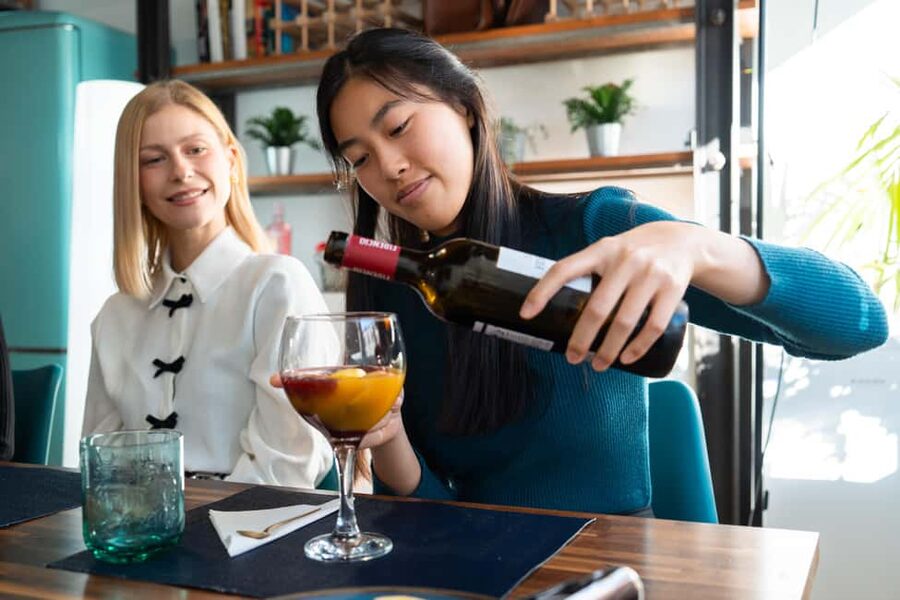
Sangria is the obvious starting point for many visitors to Spain, but its popularity can also make it seem predictable. This class gives it more context by showing its variations and explaining how it became such a recognizable part of Spanish social life.
You learn the basic method, then see how the result can change depending on the ingredients and proportions. That matters because a glass of sangria in Madrid can be very different from a sugary pitcher made for tourists. The workshop helps you pay attention to balance instead of assuming that more fruit or more sweetness automatically makes a better drink.
The practical benefit is clear. After the class, you can recognize what makes a sangria taste fresh and balanced, and you can recreate the general style at home. The precise recipe is not provided in the activity information, so do not book this expecting a written formula unless the instructor offers one during the session.
Sangria is also the drink most likely to appeal to a mixed group. Someone who rarely orders wine cocktails may find the fruit and sweetness approachable. At the same time, the class explains the drink as part of Spanish custom rather than treating it as a novelty made only for visitors.
Tinto de verano and the easy side of Spanish wine
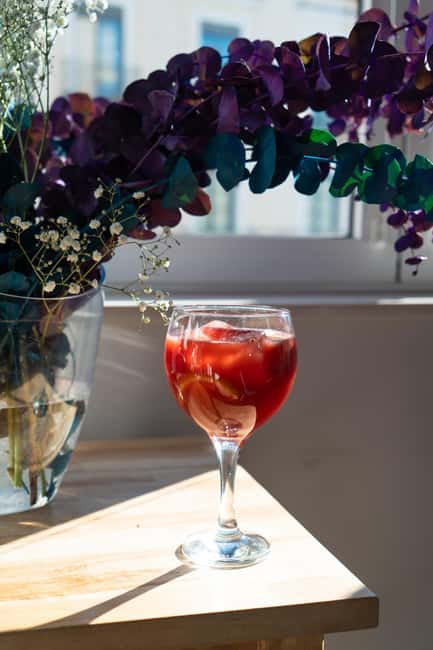
Tinto de verano is less famous abroad than sangria, but it may give you a better feel for casual Spanish drinking. It is a straightforward drink associated with summer and relaxed gatherings, without the preparation and presentation often linked to a full pitcher of sangria.
That simplicity is part of the lesson. You see how a drink can be deeply tied to a place without being complicated. In Spain, food and drink traditions are not always about elaborate recipes. Sometimes the point is a refreshing glass shared at the right time, with little fuss.
I like that the workshop places tinto de verano beside sangria instead of treating it as a lesser substitute. The contrast helps you understand the difference between a fruit-forward mixed drink and a lighter, more everyday option.
For you, the choice may come down to occasion. Sangria suits a longer meal or a group looking for something festive. Tinto de verano fits a hot afternoon or an informal stop. The class explains those customs as you taste, giving the drinks a practical frame rather than just a list of ingredients.
More Cocktail Making Classes in Spain:
- Cocktail course Mallorca
★ 5.0 · 21 reviews - Benidorm: 1-Hour Private Tipsy Cocktail Masterclass
★ 5.0 · 16 reviews - Seville: Sangría and Spritz Cocktail Workshop with Tapas
★ 5.0 · 7 reviews - Professional Cocktail Masterclass
★ 4.5 · 3 reviews
Kalimotxo brings a different Spanish tradition

Kalimotxo, or calimocho, is the most unexpected part of the workshop for many international visitors. It is popular among young people and in northern Spain, and it shows a looser side of Spanish drinking culture.
Its presence keeps the class from becoming a polished lesson about only the drinks most often marketed abroad. You are introduced to something that may be more familiar in informal settings than in a formal restaurant. That makes the workshop feel broader and more honest.
Some people will enjoy the novelty. Others may prefer sangria or tinto de verano and find kalimotxo less appealing. That is fine. The point is comparison. Tasting all three lets you decide which drink fits your own taste and gives you a clearer sense of how varied Spanish wine traditions can be.
The workshop also explains when kalimotxo is commonly enjoyed. That social context matters. You are not only learning what goes into the glass, but also why a particular drink belongs to a certain kind of gathering.
Tapas, snacks, and the value of adding food
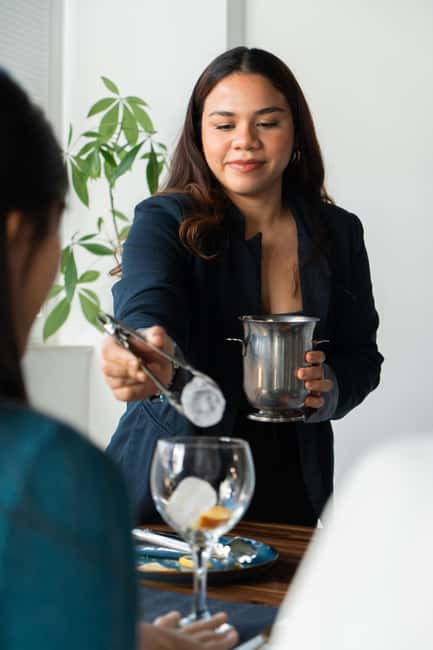
Snacks are included, which gives you something to eat while tasting the drinks. A tapas option is also available, with Spanish omelette, croquettes, ham, and tomato toast listed as possible choices.
Those foods make good sense beside a drink class. Tortilla gives you a familiar Spanish staple, croquettes add a warm and filling bite, ham brings a classic savory flavor, and tomato toast keeps the food simple and local in spirit. The selection also gives you a chance to compare how different foods affect the drinks.
If you are deciding whether to add the tapas tasting, think about your schedule. A drink workshop on an empty stomach may feel less comfortable, particularly when you are tasting several alcoholic drinks. If you have already eaten, the included snacks may be enough. If this is replacing a light meal, the tapas option is likely the better choice.
Food needs can be discussed with the host. One family booking included accommodations for allergies, and the portions of both drinks and tapas were described as larger than expected. That does not mean every dietary request can be met, so tell the provider about restrictions before the activity rather than waiting until you arrive.
A useful location near Puerta del Sol
The meeting point is Calle Carretas 14, 2 A, 28012 Madrid. When you arrive, go to the second floor and look for door A.
This is a practical location for a city break. It is only a few minutes from Puerta del Sol, one of Madrid’s main central reference points, so you can combine the workshop with walking around the historic center. You do not need to plan a separate trip outside the city for this activity.
The address is inside a building rather than at a major street attraction, so allow a few minutes to find the correct entrance and floor. The instructions are specific, but it is still wise to arrive with the address ready on your phone.
No transport is included or needed as part of the experience. You make your own way to Calle Carretas, which works well if you are already exploring central Madrid. Check the exact starting time when booking, since the activity offers multiple possible start times depending on availability.
Is $41 a fair price?
At $41 per person, this is not the cheapest way to drink wine in Madrid. You could order a glass of tinto de verano for far less. The price makes more sense when you count the instruction, three drink styles, snacks, and the chance to prepare the drinks yourself.
The strongest value is educational rather than purely culinary. You are paying to understand the drinks, their origins, and their place in Spanish gatherings. That is useful if you enjoy food culture and want something more memorable than a standard bar stop.
The tapas option affects the value calculation. If you choose it and receive the listed tortilla, croquettes, ham, and tomato toast, the experience can function as a light meal as well as a class. If you stick with snacks, you are paying mainly for the guided activity and tastings.
The cost also works better for people who will use what they learn. If you enjoy making drinks at home, the sangria portion alone may be useful. If you are not interested in preparation and only want to sample Spanish drinks, a bar crawl or casual food tour may suit you better.
Who will enjoy this workshop most?
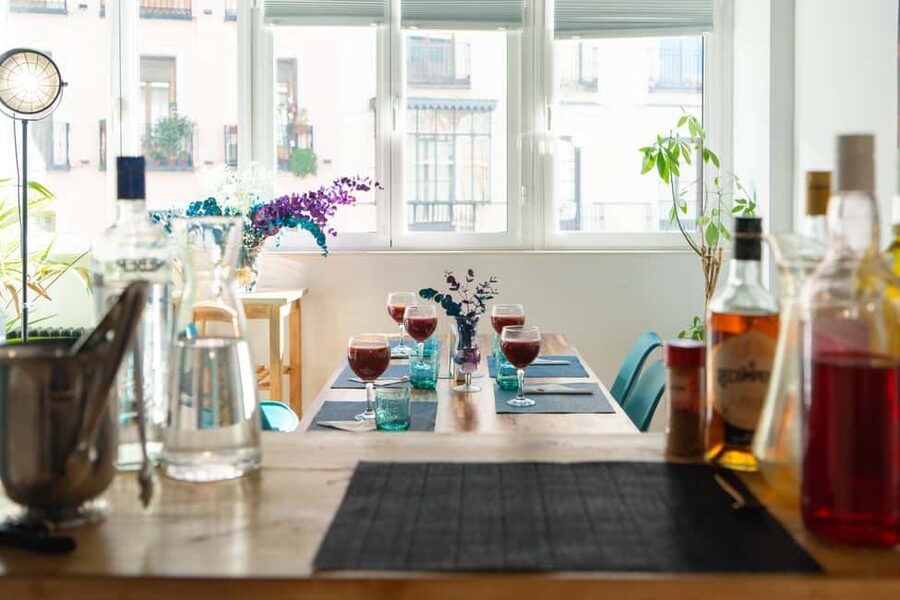
This activity fits adults who like food, drink, and local customs but do not want a long formal class. It is also a good choice for families with adult children, couples, and small groups looking for a shared Madrid activity.
The format worked well for one family that included an 18-year-old who was not accustomed to the taste of alcohol. She still enjoyed trying all three drinks. That does not make the class suitable for anyone under 18, since children are not allowed, but it does suggest that the drinks are presented in a fairly approachable way.
You should choose this workshop if you want to:
- Learn several Spanish drinks in one sitting
- Take part in preparation rather than only watch
- Hear about drink origins and local customs
- Stay close to Puerta del Sol
- Combine drinks with snacks or a tapas tasting
- Enjoy instruction in English or another listed language
It is less suitable if you are pregnant, avoiding alcohol, under 18, or using a wheelchair. The activity also lists people over 95 as unsuitable, so check the provider’s requirements if that applies to anyone in your group.
Booking, cancellation, and practical planning
You can reserve now and pay later, which helps if your Madrid schedule is still changing. Free cancellation is available up to 24 hours before the activity for a full refund.
The experience lasts 1.5 hours. Exact starting times depend on availability, so check the schedule before building the rest of your day around it.
The provider is PAURORA EXPERIENCES S.L. Instruction is offered in English, French, Spanish, Italian, and Portuguese. Since some content may be presented in its original language, ask in advance if your group has a strong language preference.
This is an alcohol tasting, not a meal replacement by definition. Eat sensibly around the booking, and consider the tapas option if you want more substantial food. If you have allergies, make the request before arrival.
Should you book the Madrid cocktail workshop?
I would book this if you want an easy, central activity that gives you more than the standard sangria story. The best feature is the comparison between sangria, tinto de verano, and kalimotxo. Together, they show different sides of Spanish drinking culture, from the well-known fruit punch to casual summer wine and the informal northern tradition of kalimotxo.
At $41, the class is good value for someone who will take part, eat some snacks, and enjoy the cultural explanation. It is less convincing for anyone who only wants a cheap drink or who dislikes group tasting activities.
Choose the tapas option if you want the workshop to carry more of your afternoon meal. Otherwise, treat it as a compact cultural stop near Puerta del Sol. For adults seeking a friendly, hands-on introduction to Spanish drinks, this is a useful and enjoyable addition to a Madrid itinerary.
FAQ
How long does the Spanish cocktail workshop last?
The workshop lasts 1.5 hours.
What drinks will I learn to make?
You will learn how to make sangria, tinto de verano, and kalimotxo, also spelled calimocho.
Is food included?
Snacks are included. A tapas option may also be available, featuring Spanish omelette, croquettes, ham, and tomato toast.
Where is the meeting point?
The meeting point is Calle Carretas 14, 2 A, 28012 Madrid. Go to the second floor and look for door A.
What languages are available?
Instruction is available in English, French, Spanish, Italian, and Portuguese. Some content may be shown in its original language.
Can I cancel for a full refund?
Yes. You can cancel up to 24 hours in advance for a full refund. You can also reserve now and pay later.
New nights out around Spain
- Professional Cocktail Masterclass★ 4.5 · 3 reviews
- Silent Disco Walking Tours★ 4.5 · 12 reviews
- Sevillian tapas tasting on a bicycle (3 bars-3 tapas-3 drinks)★ 5.0 · 3 reviews
- Fuengirola Boat Activity with Cocktail Dinner Champagne & Sunset★ 5.0 · 8 reviews
- Night Boat Party: Mallorca Nightlife★ 4.5 · 11 reviews
- PUBCRAWL Bar and Party Route in Madrid★ 5.0 · 47 reviews
- Madrid Gay Nightlife Tour★ 5.0 · 16 reviews
- Explore Madrid Rooftop Bars★ 5.0 · 2 reviews
Cocktail Making Classes, compared.
Food & Mixology Tour:Tequila,Tacos, Mezcal and Agave Cocktails
Read our review →
Roe and Co Distillery Cocktail Workshop Experience
Read our review →
Sip History in The Sun Cabana Covered Cocktail Class
Read our review →
San Francisco Whiskey Cocktail Class: Views and City History
Read our review →
Bombay Sapphire Gin Cocktail Masterclass and Tour
Read our review →Browse the lists this tour appears in