
REVIEW · SHANGHAI
Shanghai Mahjong Experience in Local Tea Bar
Mahjong becomes much easier to appreciate when you learn it where people actually play it. This three-hour experience takes you to a local tea bar near Shanghai’s Former French Concession, where Jenny and her friends explain the rules, deal the tiles, and help you play on an automatic Mahjong table. I like the neighborhood setting, and I like that the class moves from explanation to real play rather than stopping at a lecture.
You also get English translation and useful instruction sheets, which matter when a game has unfamiliar terms, symbols, and scoring habits. The main thing to consider is the price: at $95 per person, this is not a cheap drop-in activity, and tea, coffee, and other drinks are not included.
Key details before you book
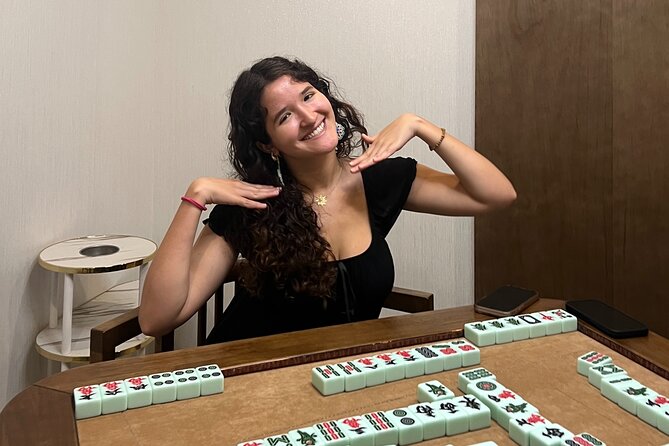
- A real neighborhood tea bar: You learn Mahjong in an everyday local setting near the Former French Concession, not in a formal classroom.
- Automatic tables included: You can see how modern Mahjong is commonly set up in China and spend more time playing than arranging tiles.
- Jenny leads the session: Jenny and local friends provide instruction, translation, and a friendly introduction to the game.
- Beginners are welcome: No previous Mahjong experience is required, and the lesson covers rules, play, and basic strategy.
- Three hours with a private group: Only your group participates, making it easier to ask questions and work at your own pace.
- Tianzifang is nearby: After the session, you can walk around this well-known Former French Concession area.
Why Mahjong makes a fine Shanghai afternoon
Shanghai gives you plenty of grand sights, but some of the best cultural lessons happen around a table. Mahjong is one of those activities. It is a game, yet it also carries a strong social role in Chinese life. People play it for fun, conversation, competition, and time together.
This experience gives you a practical way to see that side of Shanghai. You are not simply told that Mahjong matters. You handle the tiles, learn how a round works, and take part in the rhythm of the game. That makes the cultural background easier to understand.
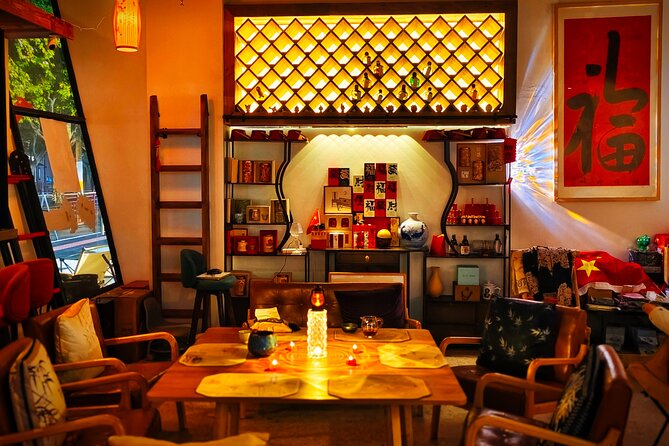
The tea bar setting is important. A hotel meeting room might be quieter and easier to find, but it would not offer the same sense of ordinary local leisure. Here, you meet in a real neighborhood at 327 Shan Xi Nan Lu in Huangpu District. The setting is described as a cozy local tea house, and the activity takes place close to the Former French Concession.
You should not expect a polished stage show or a major sightseeing tour. The appeal is smaller and more personal. You spend most of the time learning, asking questions, and playing.
More bar crawls in China:
- 4-Hour Shanghai Pub Crawl (bars & nightclub hopping)
★ 4.8 · 190 reviews - Shanghai: 4-Hour Nightlife Adventure & Tasting Bike Tour
★ 4.4 · 81 reviews - Shanghai bar hopping tour in the former french concession
★ 5.0 · 43 reviews
Finding the tea bar on Shan Xi Nan Lu
The experience begins at 327 Shan Xi Nan Lu, Huangpu District, Shanghai. The meeting point is near public transportation, which makes it practical to reach without arranging a private car. You should still allow time to find the exact entrance, since local tea bars can be less obvious than large hotels or museums.
The activity ends back at the same meeting point. That is useful if you plan to continue exploring on foot afterward. You can finish the lesson and walk toward nearby Former French Concession sights, including Tianzifang.
The location also helps frame the activity. The Former French Concession is one of Shanghai’s most appealing areas for wandering, with its older streets and mix of local businesses. This Mahjong session gives you a reason to pause in the area instead of rushing from one major landmark to the next.
Because the experience lasts about three hours, plan it as a half-day activity. A rainy afternoon may actually suit it well. One participant described arriving on a drizzling day and finding the tea house a comfortable place to spend the afternoon. That is a good reminder that this works especially well when the weather is poor or when you want a break from Shanghai’s busy sightseeing circuit.
Starting with tiles, rules, and useful handouts
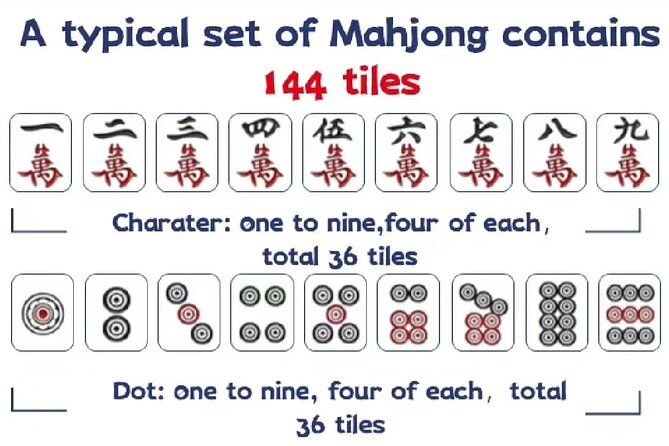
The lesson begins with the basics. You do not need prior knowledge, so you can arrive without knowing the difference between tile groups or how a winning hand is formed. The instructor introduces the structure of the game and explains the terms as you go.
Mahjong can feel confusing at first because several things happen at once. You draw and discard tiles, watch what other players are doing, build combinations, and try to recognize a winning hand. English translation helps keep the process from becoming a guessing game.
The instruction sheets are another practical touch. A handout gives you something to check while you play, which is much better than trying to remember every rule after hearing it once. One participant specifically found the sheets useful for getting started.
The pace should suit complete beginners, but you will still need to pay attention. Mahjong is not a game you fully understand by watching for five minutes. The value of the class comes from being able to ask a question, try a move, make a mistake, and get an explanation at once.
You may also learn some basic strategy and technique rather than only the mechanical rules. The exact depth will depend on your group and how quickly you pick things up. If your main goal is to become a tournament-level player in one afternoon, this is not the right promise to expect. If you want a clear introduction and a real chance to play, the format makes sense.
Learning on an automatic Mahjong table
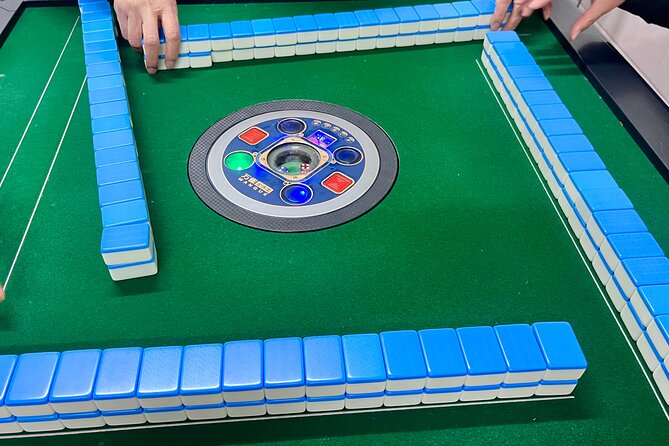
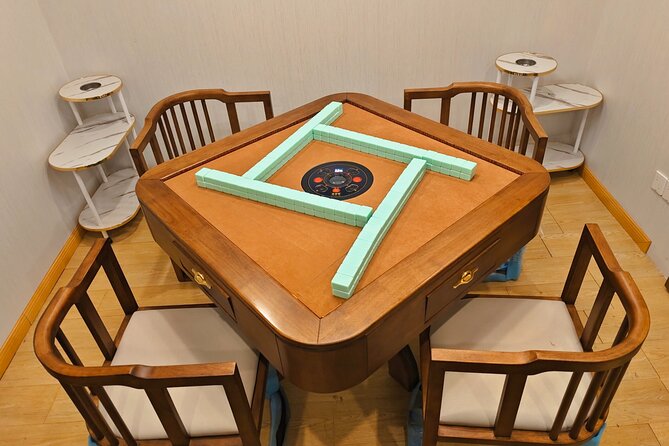
The electronic table is one of the most interesting parts of the session. Automatic Mahjong tables are commonly used in casual and competitive play in China. They shuffle and prepare the tiles, reducing the time spent setting up each round.
For a beginner, this changes the feel of the lesson. You can focus on what the tiles mean and what the other players are doing instead of spending much of your first hour sorting everything by hand. You also get a look at a modern part of Chinese Mahjong culture that you might not encounter in a basic tourist demonstration.
There is a small trade-off. If you want to learn every traditional step of preparing a Mahjong game by hand, an automatic table gives you less practice with that part. But for a three-hour introduction, I think the machine is useful. It keeps the session moving and lets you play more rounds.
Hands-on play is the heart of the experience. The instructor does not simply explain Mahjong and send you away with a rule sheet. You play with a Mahjong master and local friends, receive help as the game develops, and get a feel for the social side of the activity.
That social element is valuable. Mahjong is easier to understand when you see how people react to a good draw, watch the discard pile, and maintain a conversation around the game. Even if you do not remember every rule later, you will have a better sense of why the game remains a popular leisure activity.
Same city, another round:
- Shanghai Authentic Dinner and Night River Cruise with Rooftop Bar Hopping Option
★ 5.0 · 37 reviews - Beijing Imperial Dining Experience at Bai Jia Da Yuan Restaurant with Houhai Lake Bar Tour
★ 5.0 · 16 reviews - Shanghai Immersive Royal Banquet+Photo, Bar/Massage Options
★ 5.0 · 14 reviews - Xi’an Bar Crawl: Drink, Gaming, Snacks & Meet with Locals
★ 4.0 · 13 reviews
The social meaning behind the game
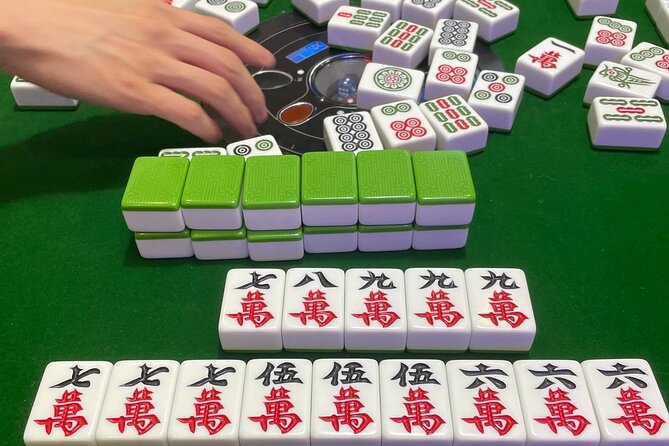
A good Mahjong lesson should explain more than how to win. This one also covers the game’s origins, its development over time, and its place in modern Chinese society.
The historical portion gives context without requiring you to sit through a long academic talk. You learn why Mahjong became so widely played and how it fits into everyday social life. The game can be competitive, but it is also a way for friends and family to spend time together.
That balance is one of the strongest reasons to book this instead of downloading a Mahjong app. An app may teach you the mechanics, but it cannot show you the human setting around the game. Here, the tea bar, local hosts, language help, and shared table all matter.
The English translator also helps with cultural details that could otherwise get lost. A direct translation of a rule may tell you what to do. A good explanation can also tell you why the game is played in a certain way or how it functions in social settings.
The available information does not promise a specific regional rule set or a detailed comparison of Shanghai Mahjong with every other form of Mahjong. That is worth knowing if you already play and want a specialist lesson on variations. For a first introduction, though, the focus on basic rules, play, and Chinese social meaning should be a good fit.
Tea, conversation, and the limits of the price
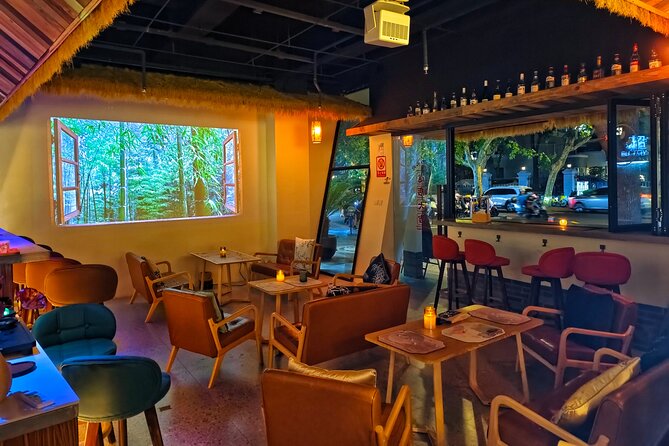
The setting is a tea bar, but tea is not included in the $95 fee. Coffee, alcohol, and other drinks are also extra. This is easy to miss, so bring some additional money if you want something to drink during the session.
That cost affects how I judge the experience. At $95 per person, you are paying for more than an entry ticket. The fee covers a private group activity, an instructor, English translation, the workshop, and use of the electronic table. If your group values personal attention and an activity that is hard to arrange alone, the price may feel reasonable.
The value is less clear if you are only curious about Mahjong and would be happy with a short demonstration. Three hours is a serious commitment, and the price is well above what you might pay for a standard museum visit or casual class. The private format does help, since only your group participates and you can ask questions without competing with a large tour party.
Group discounts are available, so the cost may work better for families, couples booking with friends, or a small group already traveling together. You should check the current group price when booking rather than assume a discount applies automatically.
The tea-house atmosphere adds value, but you should not treat the drink as part of the package. Think of the tea bar as the setting for the lesson, not an included tasting experience.
A natural fit for a rainy day or a short visit
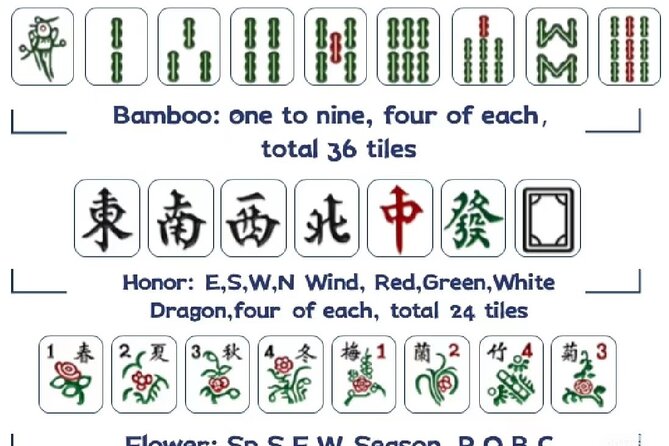
This activity works well when you want something different from Shanghai’s headline sights. It gives you a cultural experience without requiring a full day, and the three-hour length fits neatly into an afternoon.
It is also a good choice during a business trip. The location is near central Shanghai, the group is private, and the activity gives you a relaxed way to spend time with a partner or colleague. One couple attending Shanghai for a conference chose it for exactly that sort of reason.
Families and mixed-age groups may also like it, provided everyone can follow a lesson and sit at a game table for several hours. The activity is designed for most participants, and no previous Mahjong skill is needed.
I would be more cautious about booking it for very young children who need constant movement. The supplied information does not specify a minimum age or child program, so you should confirm that point before booking if it matters to your group.
It may not suit you if you want a fast-paced sightseeing tour. There is no list of major attractions built into the class. The cultural payoff comes from conversation, practice, and the local setting.
Continuing toward Tianzifang afterward
When the session ends, you are back at the meeting point. From there, you can continue exploring the Former French Concession, including nearby Tianzifang.
This makes the Mahjong class easy to combine with a self-guided walk. You could schedule the lesson first and then wander afterward, when you have already spent time in a local neighborhood and learned more about Chinese daily life. Or you could explore the area before the class and arrive with a better sense of the streets around the tea bar.
Do not expect the instructor to provide a full guided tour of Tianzifang. The walk is an option after the Mahjong session, not a formal part of the included activity. That distinction matters when you plan your afternoon.
Booking, cancellation, and practical planning
Confirmation is provided at the time of booking, and mobile tickets are available. The experience is near public transportation, but the supplied details do not name a specific station or line. Use the full street address and allow extra time to locate the meeting point.
Free cancellation is available up to 24 hours before the local start time. Canceling less than 24 hours ahead, or making changes inside that window, does not qualify for a refund. Since the activity is private, check your group’s schedule carefully before the final day.
The class is suitable for most participants, but no specific accessibility information is provided. If you need step-free access or have other mobility concerns, ask the operator before booking.
You should also remember that the activity ends where it begins. That makes onward plans simple, especially if you want to stay in the neighborhood for dinner or a walk.
Who should book this Mahjong experience
I would recommend this for you if you enjoy learning through participation. You get the most from it if you are willing to sit down, ask questions, and play several rounds rather than treat Mahjong as a quick photo stop.
It is particularly suitable for:
- First-time Mahjong players
- Couples and small private groups
- Visitors interested in everyday Chinese social customs
- People staying near the Former French Concession
- Anyone looking for an indoor afternoon activity
- Business visitors seeking a relaxed cultural outing
Experienced Mahjong players may still enjoy meeting local players and using an automatic table, but should ask about the specific rules and level of play before booking. The class is aimed at all levels, with a clear emphasis on helping beginners.
Should you book it?
Book this Shanghai Mahjong experience if you want a small, social lesson in a real local setting and you like the idea of pairing it with a walk around the Former French Concession. Jenny’s patient teaching, English help, instruction sheets, and hands-on play address the biggest problem beginners face: not knowing where to start.
Skip it if you want a cheap activity, a formal sightseeing tour, or an included tea tasting. At $95 per person, the price makes the most sense for a private group that values personal instruction and cultural context. For that audience, Mahjong, local conversation, and an automatic table offer a memorable change from Shanghai’s usual attraction list.
FAQ
How long does the Shanghai Mahjong experience last?
The activity lasts approximately three hours.
Where does the experience begin?
It begins at 327 Shan Xi Nan Lu, Huang Pu Qu, Shang Hai Shi, China, 200031.
Where does the activity end?
The activity ends back at the meeting point.
Is the experience private?
Yes. Only your group participates in the activity.
Do I need previous Mahjong experience?
No. The session is suitable for complete beginners and covers the basic rules, strategies, and techniques.
Is English support available?
Yes. A professional English guide or translator provides language help during the class.
Is an electronic Mahjong table included?
Yes. Use of an electronic Mahjong table is included in the experience.
Are tea and other drinks included?
No. Tea, coffee, alcohol, and other drinks are not included.
Can I cancel for a full refund?
Yes, if you cancel at least 24 hours before the experience start time. Cancellations or changes made less than 24 hours ahead are not refunded or accepted.
New nights out around China
- Xi’an Bar Crawl: Drink, Gaming, Snacks & Meet with Locals★ 4.0 · 13 reviews
- Xi’an Nightlife: Tang Dynasty Music and Dance Show★ 5.0 · 2 reviews
- Shanghai bar hopping tour in the former French concession★ 5.0 · 3 reviews
- Shanghai Foodie Test & Nightlife Adventure Bike Tour★ 5.0 · 12 reviews
- Shanghai Nightlife: Bars in The Bund and Old French Concession★ 5.0 · 11 reviews
- Private Shanghai Night Tour with Lost Heaven Dinner and Bar Hopping Option★ 5.0 · 2 reviews
- Private Shanghai Foodie Adventures with Rooftop Bar Hopping★ 5.0 · 5 reviews
- Private Guangzhou Night Tour with Canton Tower and Bar Hopping★ 5.0 · 4 reviews
Shanghai Bar Crawls, compared.
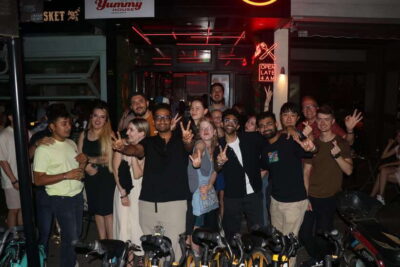
4-Hour Shanghai Pub Crawl (bars & nightclub hopping)
Read our review →

Shanghai bar hopping tour in the former french concession
Read our review →
Shanghai Authentic Dinner and Night River Cruise with Rooftop Bar Hopping Option
Read our review →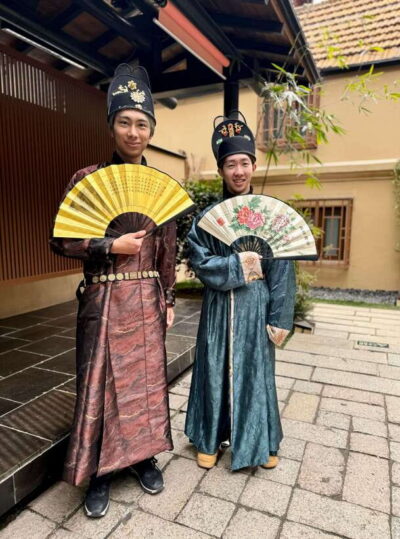
Shanghai Immersive Royal Banquet+Photo, Bar/Massage Options
Read our review →
Shanghai Foodie Test & Nightlife Adventure Bike Tour
Read our review →
Shanghai Fuxing INS – All Access Ticket for 7 nightclubs
Read our review →
Shanghai Nightlife: Bars in The Bund and Old French Concession
Read our review →Browse the lists this tour appears in